Corn Futures and Corn Prices:

What Every Row Crop Farmer Needs to Know

image of a person

Earnest Agriculture

March 3, 2025

Icon

What Are Corn Futures and Corn Prices?

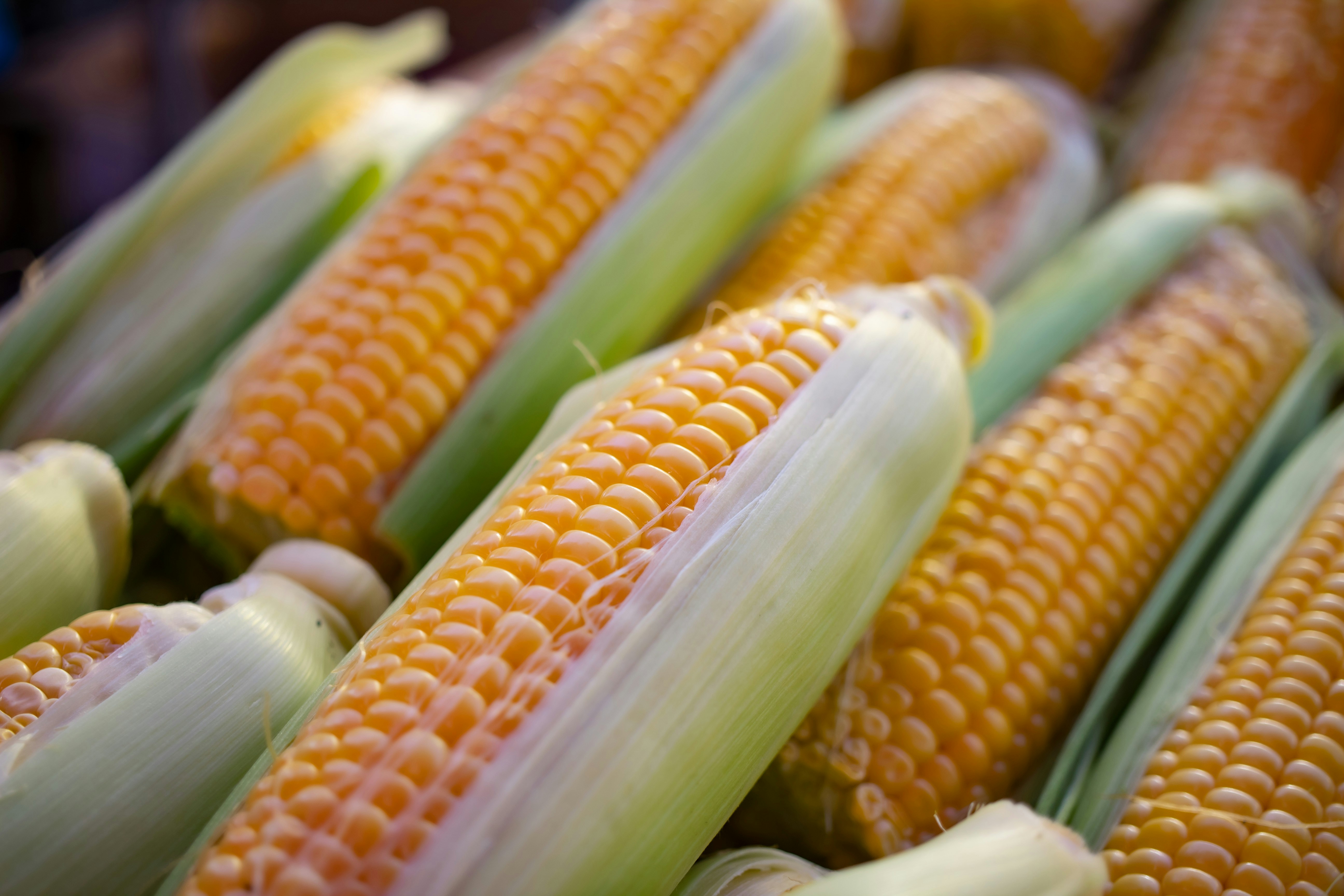
Corn futures are standardized contracts traded on the Chicago Board of Trade (CBOT) that obligate the buyer to purchase and the seller to deliver a set quantity of corn at a predetermined price on a future date. The most actively traded corn futures contract represents 5,000 bushels. Corn futures prices are the benchmark that cash markets use to establish local grain prices at elevators and processors across the Corn Belt.
Corn prices in the cash market are derived from the nearby futures contract adjusted by the local basis — the difference between the cash price and the futures price at a given location on a given day. Basis reflects local supply and demand dynamics transportation costs and storage availability. Understanding both the futures price and the local basis is essential for any farmer marketing corn or soybean production.
Corn futures and soybean futures prices are the most watched numbers in row crop agriculture. They influence every planting decision input purchase marketing strategy and land rental negotiation made on farms across the central US. Knowing how to read them interpret the signals they send and respond with sound marketing decisions is one of the highest-value management skills a row crop farmer can develop.

How Corn Futures Markets Work

The Futures Contract

A corn futures contract traded on the CBOT specifies delivery of 5,000 bushels of No. 2 Yellow corn at approved delivery points in the Chicago area. Contract months for corn are March May July September and December. The December contract is the most closely watched because it represents new-crop corn harvested in the fall and is the primary pricing reference for forward contracts and crop insurance guarantees established before planting.

Price Discovery

Corn futures prices reflect the collective judgment of buyers and sellers worldwide about future corn supply and demand. USDA crop reports — particularly the monthly World Agricultural Supply and Demand Estimates (WASDE) report — are the most market-moving information releases in grain markets. Planted acreage reports crop condition ratings harvest progress updates and export sales data all move corn and soybean futures prices as they update the market estimate of ending stocks for the current and coming crop year.

Basis and Local Cash Prices

The local cash price a farmer receives for corn is the nearby futures price plus or minus the local basis. A negative basis of 30 cents means the local elevator is paying 30 cents under the nearby futures. Basis strengthens (becomes less negative) when local demand is strong relative to supply and weakens when local supplies are heavy or transportation to export markets is bottlenecked. Monitoring basis trends at your local elevator is as important as watching the futures board when making marketing decisions.

Soybean Futures: The Other Half of the Row Crop Marketing Picture

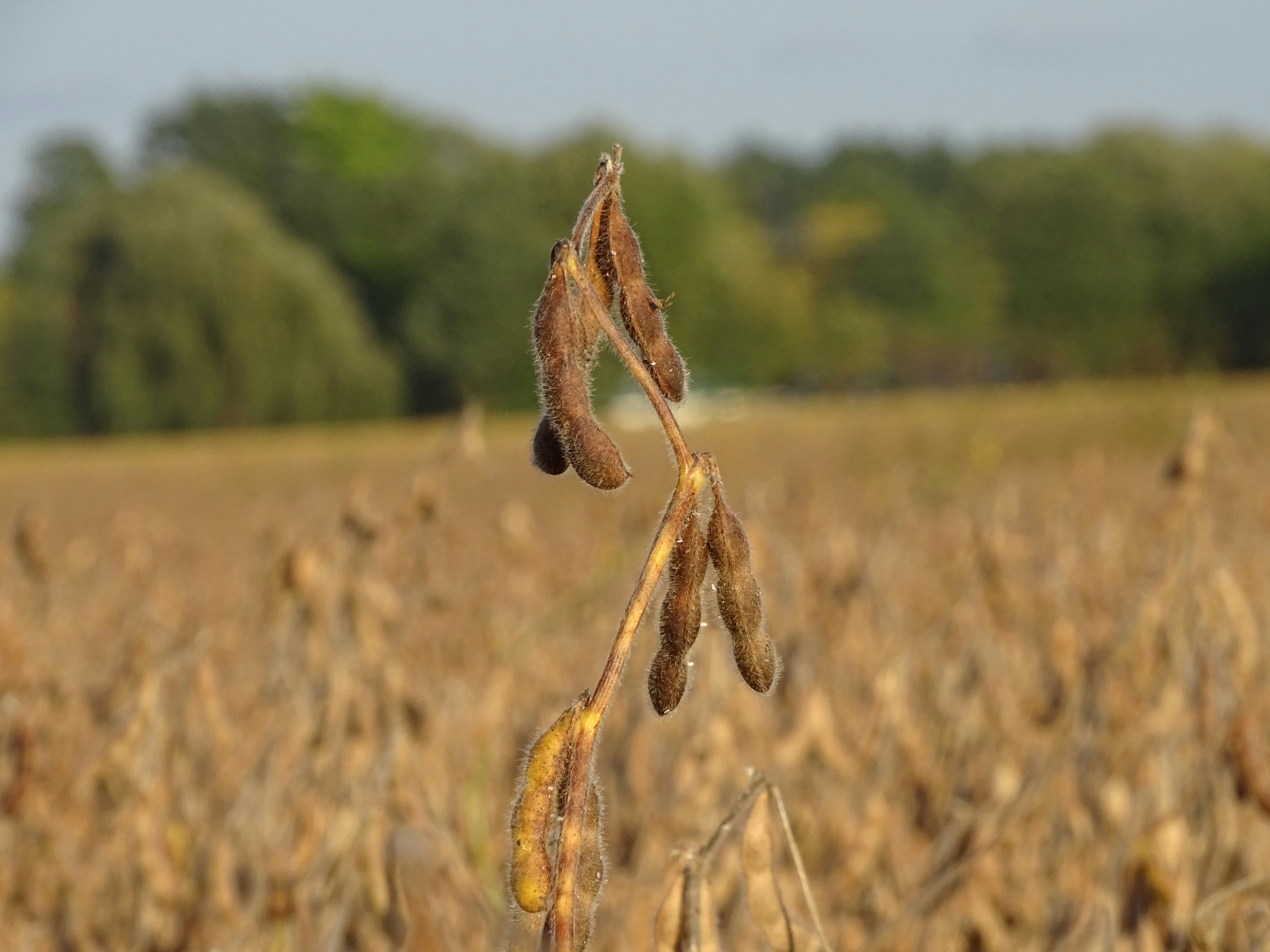
Soybean futures traded on the CBOT represent 5,000 bushels of No. 2 Yellow soybeans with contract months in January March May July August September and November. The November contract is the new-crop reference for soybeans equivalent to the December corn contract for corn planning and forward pricing purposes.
The corn-to-soybean price ratio is one of the most widely used signals in row crop production decisions. When soybeans are priced attractively relative to corn the ratio shifts planting intentions toward soybeans and vice versa. The ratio is calculated by dividing the nearby soybean futures price by the nearby corn futures price: a ratio above 2.5 historically favors soybean acres while a ratio below 2.3 favors corn. Actual planting decisions depend on local yield histories input costs and rotation requirements but the price ratio is the starting point for most farmers analyzing their spring planting mix.
Soybean futures prices are heavily influenced by Chinese import demand South American production (Brazil and Argentina together produce more soybeans than the US) and the crush margin — the difference between soybean prices and the combined value of soybean meal and soybean oil produced from crushing a bushel of beans. When crush margins are strong processors bid aggressively for soybeans supporting prices. When margins compress demand from crushers weakens.

Key Factors That Move Corn and Soybean Futures Prices

USDA Reports

The monthly WASDE report is the single most market-moving scheduled release in grain markets. It updates USDA estimates of US and world production consumption exports and ending stocks for corn soybeans and wheat. Surprises relative to pre-report trade estimates move corn and soybean futures by 20 to 50 cents or more in the minutes after release. The March Prospective Plantings report and the June Acreage report are the most important acreage estimates of the year and frequently trigger significant price moves.

Weather

Weather in the primary corn and soybean production regions drives futures prices throughout the growing season. Pollination stress in July is the most price-sensitive weather event for corn. Pod fill moisture for soybeans in August is the equivalent critical window. Drought forecasts planting delays from wet springs and harvest slowdowns from fall rains all move futures prices as the market updates its production estimate in real time.

Export Demand

Weekly export sales and shipments data released by USDA every Thursday morning updates the market on the pace of US corn and soybean export commitments relative to the annual USDA export projection. Strong export sales especially from China support prices. Cancellations of previously booked sales pressure prices. The pace of the marketing year export program relative to USDA projections is one of the most consistent weekly price signals in grain markets.

South American Production

Brazil has become the world largest soybean producer and its crop calendar is opposite to the US. Brazilian soybeans are harvested February through April competing directly with US soybeans for export markets in the second half of the US marketing year. A large Brazilian crop pressures soybean futures in the spring as export competition intensifies. A drought-reduced Brazilian crop tightens world supplies and supports US futures prices.

How Corn and Soybean Prices Affect Farm Input Decisions

Corn and soybean futures prices directly influence every major input decision on a row crop operation. Fertilizer purchases seed selection equipment investment and land rent are all evaluated against projected revenue that starts with the futures price at planting time. When December corn futures and November soybean futures are strong in the winter and early spring farmers lock in inputs at higher cost confident that revenue will cover margins. When prices are weak input purchase decisions become more conservative and some acres may shift to lower-cost production systems.
The relationship between input costs and grain prices — the cost-price squeeze — is the fundamental economic pressure that drives adoption of practices that improve efficiency per bushel produced. Yield-improving inputs that cost less per bushel than the revenue they generate make economic sense at almost any price level. Inputs that only pencil out at high corn or soybean prices carry more risk and require more careful price risk management before purchase.
Microbial seed treatments represent one of the most favorable cost-to-benefit ratios of any yield input in soybean production precisely because their cost per acre is low relative to the yield response they deliver across a wide range of price environments. Earnest Agriculture Prairie Power Soybean delivered an average 7 percent yield lift at $10 per acre across 45 locations in 14 states in 2025 — a 3:1 return on investment for farmers. At $10 soybeans that is approximately $35 in revenue per $10 spent. At $12 soybeans the return improves further. Results vary by field; run the numbers on your acres.

Basic Price Risk Management for Row Crop Farmers

Price risk management starts with understanding the tools available: forward contracts that lock in a cash price for future delivery; futures hedges that establish a price floor without committing to a specific buyer; options that provide price protection while preserving upside; and crop insurance revenue guarantees that establish a minimum revenue floor based on projected futures prices at planting.
No single tool is right for every farm or every year. The goal of a marketing plan is not to sell at the highest possible price every year — that is not achievable consistently. The goal is to sell at prices that cover costs of production and generate acceptable returns across the full range of price environments that markets deliver over time. Farms that execute a consistent disciplined marketing plan outperform those that wait for the top over the long run regardless of where corn and soybean prices trend in any given year.

Frequently Asked Questions

Q: What are corn futures and how are they used?
Corn futures are standardized contracts traded on the Chicago Board of Trade that establish a price for corn delivery at a future date. Farmers use them to lock in prices before harvest through forward contracts or futures hedges protecting against price declines between planting and delivery. Cash corn prices at local elevators are derived from nearby corn futures prices adjusted by the local basis.

Q: What drives corn prices up or down?
Corn prices are driven by supply and demand fundamentals including US planted acres and yield weather during the growing season export demand from major buyers and competing supplies from other global producers. USDA monthly supply and demand reports are the most market-moving scheduled releases. Weather events during pollination and South American crop outcomes are the most significant unscheduled price drivers during the marketing year.

Q: What are soybean futures and how do they relate to corn futures?
Soybean futures are standardized contracts traded on the Chicago Board of Trade for future soybean delivery. They reflect global soybean supply and demand including US production Brazilian and Argentine crops Chinese import demand and crush margins. The corn-to-soybean price ratio derived from the two futures prices is one of the primary signals farmers use when deciding how to allocate acres between corn and soybeans each spring.
Q: How do corn and soybean prices affect planting decisions?
Corn and soybean futures prices in winter and early spring establish the projected revenue that farmers use to evaluate input costs and planting mix decisions. The corn-to-soybean price ratio signals which crop is more profitable per acre in a given year. High grain prices support more aggressive input use and expansion. Low prices push farmers toward lower-cost production systems and more conservative input programs.

Q: How can farmers manage corn and soybean price risk?
Farmers manage price risk through a combination of forward contracts that lock in cash prices for future delivery; futures hedges that establish price floors; options strategies that provide downside protection while preserving upside; and crop insurance revenue guarantees based on projected prices at planting. A consistent disciplined marketing plan that spreads sales across the marketing year typically outperforms waiting for price peaks over time.

Related Posts

Man in a blue shirt and cap looking at a phone with green palm leaves in the background.

Read

Man in a blue shirt and cap looking at a phone with green palm leaves in the background.

Read

Man in a blue shirt and cap looking at a phone with green palm leaves in the background.

Read