See what Prairie Power could do on your soybeans —
Grow EstimatorSee what Prairie Power could do on your soybeans —
Grow EstimatorLadybugs and Biological Pest Control:
Nature's Answer to Aphid Pressure

Earnest Agriculture
March 3, 2025


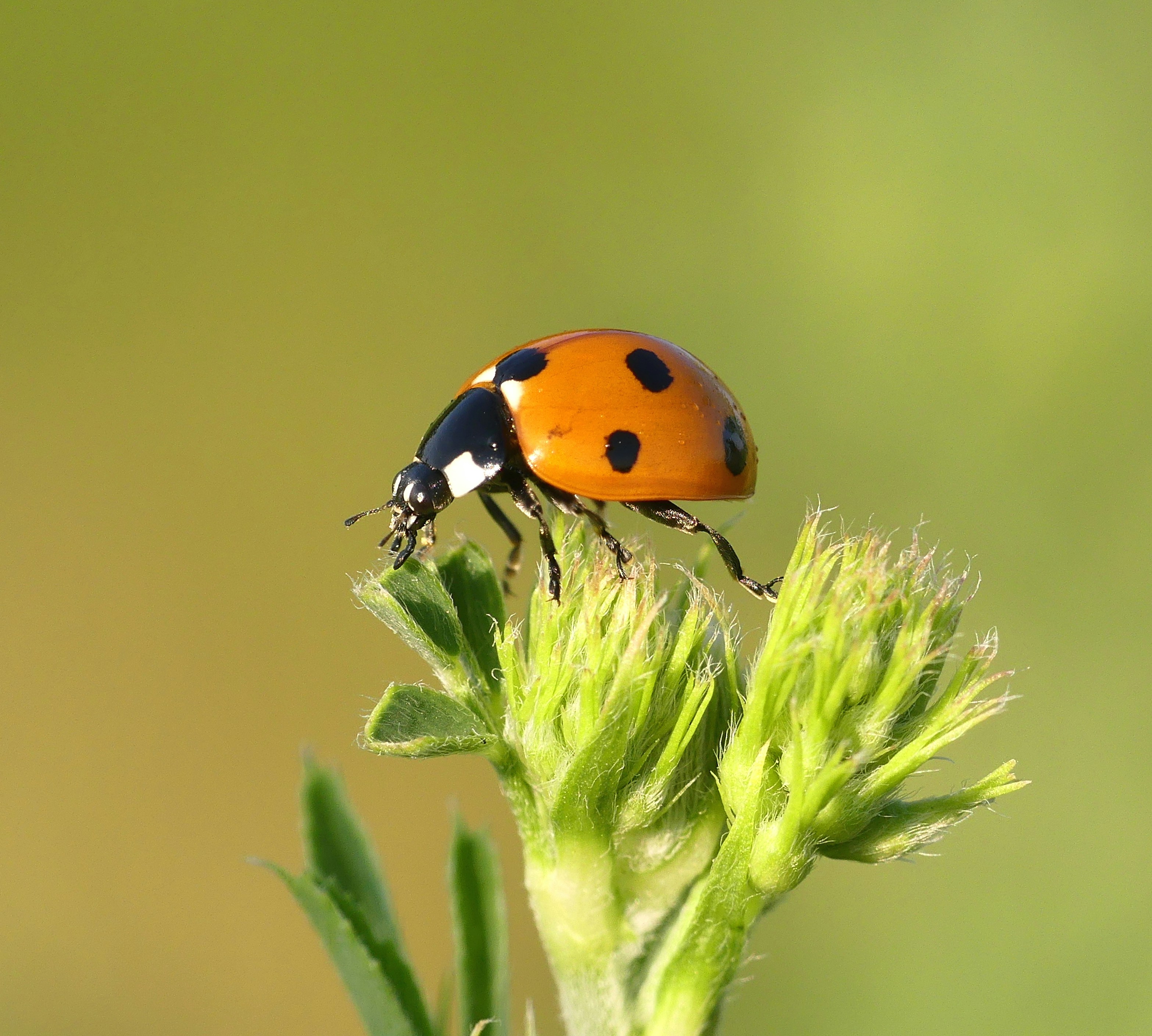
Biological pest control is the use of living organisms — predators parasites or pathogens — to reduce pest populations rather than relying solely on chemical interventions. It is one of the core components of integrated pest management (IPM) the pest control framework that combines monitoring thresholds biological controls crop rotation and targeted chemical use to manage pest pressure with minimum environmental impact.
The appeal of biological control is straightforward: it works with natural ecosystem processes rather than against them. Predatory insects like ladybugs have been controlling aphid populations in agricultural landscapes for far longer than synthetic pesticides have existed. Supporting those natural relationships reduces the need for chemical inputs that carry costs to soil biology water quality and long-term farm resilience.
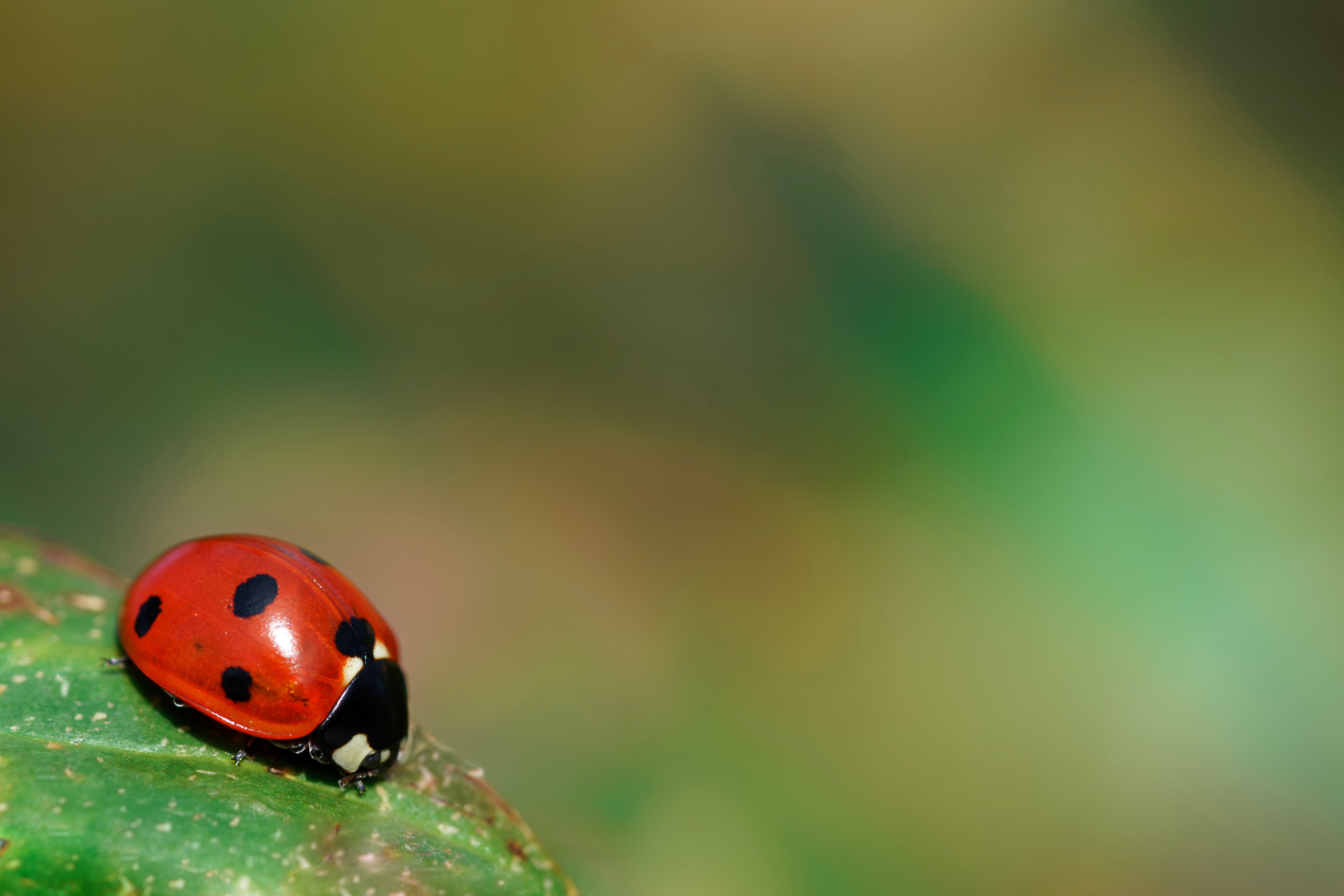
Ladybugs (family Coccinellidae) are among the most well-documented and widely used biological control agents in agriculture. Their primary prey is aphids — small soft-bodied insects that feed on plant sap and reproduce rapidly enough to cause significant crop damage in a short window.
A single adult ladybug can consume up to 5000 aphids over its lifetime. Larvae — the immature stage between egg and adult — are equally voracious and in some studies consume more aphids per day than adults. This makes early-season larval populations particularly valuable for suppressing aphid outbreaks before they reach economically damaging levels.
Ladybugs are not specialist aphid predators — they also consume mites scale insects and other soft-bodied pests. But their effectiveness against aphids specifically makes them a well-established tool in IPM programs for field crops vegetables and orchards.
Understanding the ladybug life cycle is essential for using them effectively as a biological control agent. Ladybugs undergo complete metamorphosis in four stages.
Female ladybugs lay clusters of yellow oval eggs on the undersides of leaves — typically near aphid colonies so larvae have immediate access to prey after hatching. A single female can lay 200 to 1000 eggs during her lifetime. Egg clusters are a sign of an established ladybug population and a healthy predator-prey balance in the field.
Larvae are the most voracious stage of the ladybug life cycle. They are elongated dark and often spiny — looking nothing like the familiar adult beetle. During the 3 to 4 week larval stage a single individual can consume hundreds of aphids. This is the stage that delivers the most direct pest suppression benefit and the stage most sensitive to broad-spectrum insecticide applications that kill beneficial insects indiscriminately.
After the larval stage ladybugs enter a pupal phase attached to plant tissue. This is a non-feeding transition period lasting approximately one week. Pupae are vulnerable to disturbance and insecticide exposure. Protecting pupa populations by minimizing insecticide applications during this window preserves the adult population that will continue suppressing pests later in the season.
Adult ladybugs are the familiar red-and-black spotted beetles. They are mobile and can travel significant distances to find food — making them effective at colonizing new areas of pest pressure within a field or across a farm. Adults overwinter in leaf litter crop debris and field margins returning in spring when temperatures rise and aphid populations begin to build.

Ladybug populations are not a given. They require habitat food sources and protection from practices that kill beneficial insects along with pests. Farmers who want to leverage biological controls need to actively support the conditions that sustain predator populations.
Biological controls like ladybugs work best as part of a broader integrated system — not as a standalone solution. Pest pressure is ultimately a symptom of ecosystem imbalance. Crops that are nutritionally stressed biologically depleted or growing in damaged soil are more vulnerable to pest outbreaks than crops in healthy well-functioning systems.
The most resilient pest management programs address both sides of the equation: supporting natural predators above ground and rebuilding the soil biology below ground that keeps crops healthy and naturally resistant to stress. Healthy plants growing in biologically active soil with strong root systems and adequate nutrition are inherently less susceptible to the pest pressure that drives chemical dependency.
Earnest Agriculture's Prairie Power Soybean supports the rhizosphere biology that builds crop health from the ground up — improving root development nutrient uptake and natural plant resilience. Across 45 locations in 14 states in 2025 it delivered an average 7 percent yield lift at $10 per acre — a 3:1 return on investment (ROI) for farmers. Results vary by field; run the numbers on your acres.
Ladybugs are not a novelty — they are a well-documented cost-effective component of pest management that farmers have been underutilizing in chemical-intensive systems. Supporting their populations costs less than a pesticide application and delivers season-long suppression of aphid pressure without the collateral damage to soil biology and beneficial insects that broad-spectrum chemicals cause.
Combined with cover crops diverse rotations reduced insecticide programs and biological soil inputs the result is a farm system that manages pest pressure more efficiently — and builds long-term resilience rather than chemical dependency.
Q: How many aphids can a ladybug eat?
A single adult ladybug can consume up to 5000 aphids over its lifetime. Larvae are equally aggressive feeders and can consume several hundred aphids during the 3 to 4 week larval stage. Early-season larval populations are particularly valuable for suppressing aphid outbreaks before they reach economically damaging levels in field crops.
Q: What is integrated pest management (IPM)?
Integrated pest management (IPM) is a pest control framework that combines monitoring economic thresholds crop rotation biological controls and targeted chemical use to manage pest populations with minimum environmental impact. Rather than applying pesticides on a fixed schedule IPM applies them only when pest populations exceed levels that justify the cost — reducing total chemical use input costs and non-target impacts.
Q: Are ladybugs effective for aphid control in row crops?
Yes. Ladybugs are well-documented aphid predators effective in field crops vegetables and orchards. Their effectiveness depends on having established populations early in the season before aphid pressure builds. Practices that support ladybug habitat — field margins cover crops and reduced broad-spectrum insecticide use — improve their effectiveness as part of an IPM program.
Q: What kills ladybug populations on farms?
Broad-spectrum insecticides are the primary cause of ladybug population decline on farms. Many insecticides do not discriminate between pest and beneficial insects — killing larvae and pupae that provide the most direct pest suppression. Loss of field margin habitat reduced crop diversity and elimination of overwintering sites also reduce ladybug populations across the farm landscape.
Q: How do ladybugs fit into a sustainable farming program?
Ladybugs are one component of a broader biological pest management system. Combined with diverse crop rotations cover crops reduced insecticide programs and soil health inputs like microbial seed treatments they contribute to a farm system that manages pest pressure naturally — reducing input dependency building ecological resilience and lowering the long-term cost of crop protection.