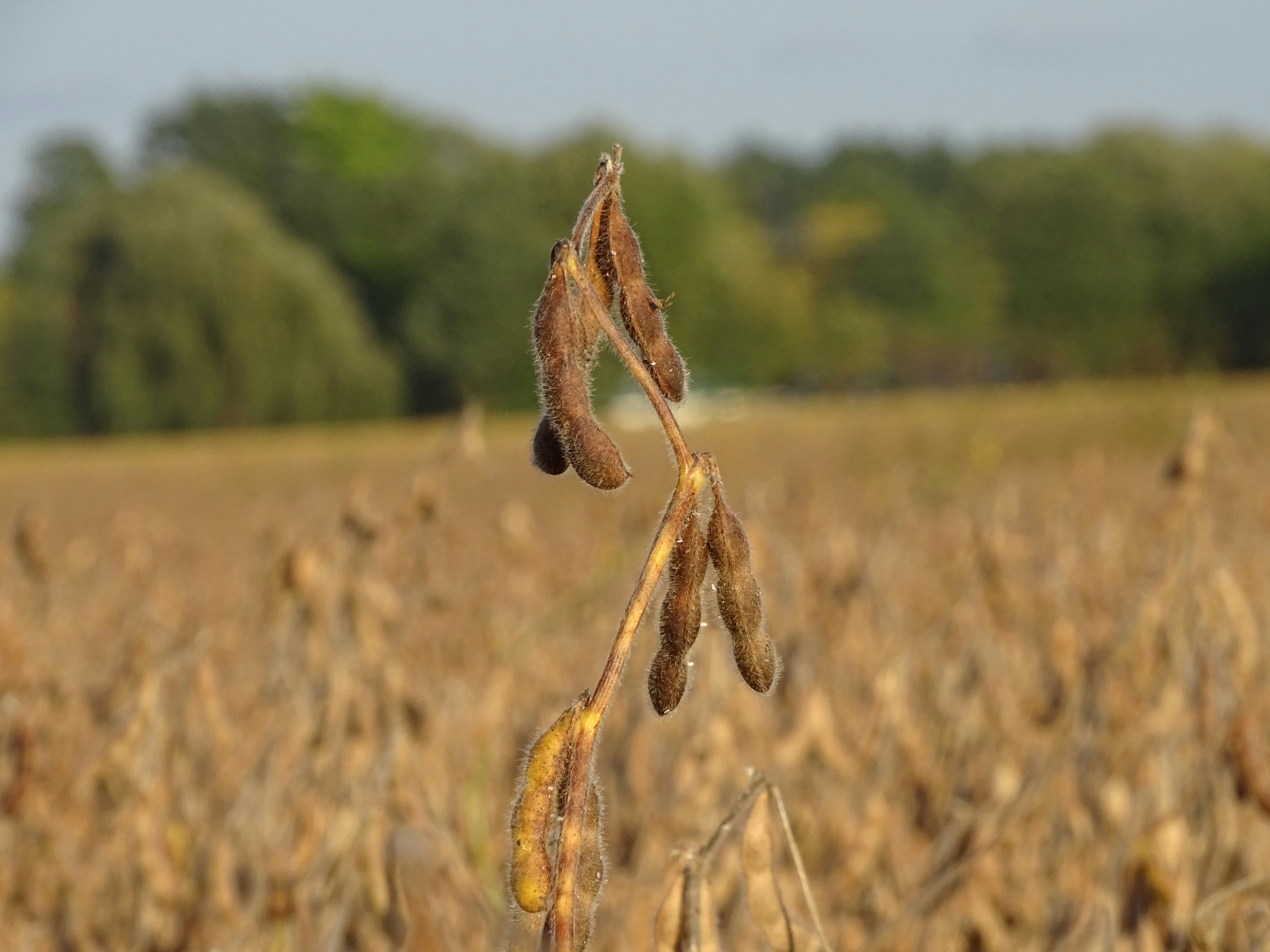
See what Prairie Power could do on your soybeans —
Grow EstimatorSee what Prairie Power could do on your soybeans —
Grow EstimatorMicrobes in Livestock Farming: How Microbial Science Is Improving Animal Health and
What It Means for Your Soil

Earnest Agriculture
March 3, 2025


Microbial science has reshaped how livestock producers think about animal health over the past two decades. The discovery that gut microbiome diversity directly influences digestion immune function and disease resistance in cattle hogs and poultry has driven a fundamental shift away from antibiotic dependency and toward probiotic and prebiotic interventions that support the microbial communities animals already carry.
That same scientific foundation — the understanding that living microbial communities perform biological functions no synthetic input can fully replicate — is now driving equally significant changes in row crop agriculture. The rhizosphere microbiome surrounding plant roots functions in many of the same ways as the gut microbiome in livestock. It supports nutrient absorption. It suppresses pathogens. It strengthens the organism it serves. And when it is depleted the organism — whether an animal or a crop — becomes more dependent on external interventions to compensate.

The gastrointestinal tract of a ruminant animal — cattle sheep and goats — is one of the most complex microbial ecosystems on Earth. The rumen alone contains hundreds of microbial species that collectively break down plant fiber into volatile fatty acids the animal uses for energy. Without this microbial community ruminants cannot digest the cellulose that makes up the bulk of their diet.
Microbial fermentation in the rumen converts feed into energy and protein that the animal can absorb. The efficiency of this conversion — how much of the feed becomes usable nutrition versus waste — depends directly on the diversity and health of the rumen microbial community. Probiotic interventions that support beneficial rumen bacteria improve feed conversion ratios reduce feed costs and support consistent animal growth.
A significant portion of an animal's immune response originates in the gut. A diverse healthy gut microbiome outcompetes pathogens for attachment sites produces antimicrobial compounds and stimulates the development of immune cells that protect against systemic disease. Animals with depleted gut microbiomes — from antibiotic use stress or poor nutrition — are more susceptible to disease outbreaks that require costly veterinary intervention.
Routine antibiotic use in livestock has been a cornerstone of conventional production systems for decades — used not just to treat disease but to promote growth and prevent infection in crowded conditions. Antibiotic resistance is now a documented and growing problem in both veterinary and human medicine. Microbial interventions that support gut health and immune function reduce the conditions that make antibiotic use necessary — addressing the root cause rather than the symptom.

The scientific principles behind livestock probiotic programs and agricultural microbial inoculants are closer than most farmers realize. Both are built on the same core insight: that living microbial communities perform biological functions that improve the health productivity and resilience of the organism they inhabit — and that depleting those communities creates dependency on external inputs that treat symptoms rather than causes.
In livestock the gut microbiome breaks down feed into usable nutrition suppresses pathogens and supports immune function. In the soil the rhizosphere microbiome breaks down organic matter into plant-available nutrients suppresses soil-borne disease and supports root development. Antibiotic overuse depletes gut microbiome diversity. Tillage synthetic inputs and monoculture deplete soil microbiome diversity. The interventions — probiotics for animals microbial inoculants for crops — restore the biological function that was lost.
Farmers who have seen the results of probiotic programs in their livestock operations are often the quickest to understand the value of microbial inputs in their crop ground. The biology is different. The principle is identical.
The same advances in microbial research that produced effective livestock probiotic programs have now been applied to row crop seed treatments. AI-assisted microbiome analysis allows researchers to identify the specific bacterial and fungal species that most consistently improve crop performance — selecting for organisms that fix nitrogen solubilize phosphorus stimulate root growth and suppress soil-borne pathogens under field conditions.
The result is a new generation of microbial seed treatments that deliver measurable agronomic performance — not just biological plausibility. The standard for these products is field trial data across diverse geographies soil types and conditions: the same evidence standard that drives adoption of any agronomic input.
Earnest Agriculture's Prairie Power Soybean is an AI-designed microbial biostimulant built on this foundation. Across 45 locations in 14 states in 2025 it delivered an average 7 percent yield lift at $10 per acre — a 3:1 return on investment (ROI) for farmers. Results vary by field; run the numbers on your acres.
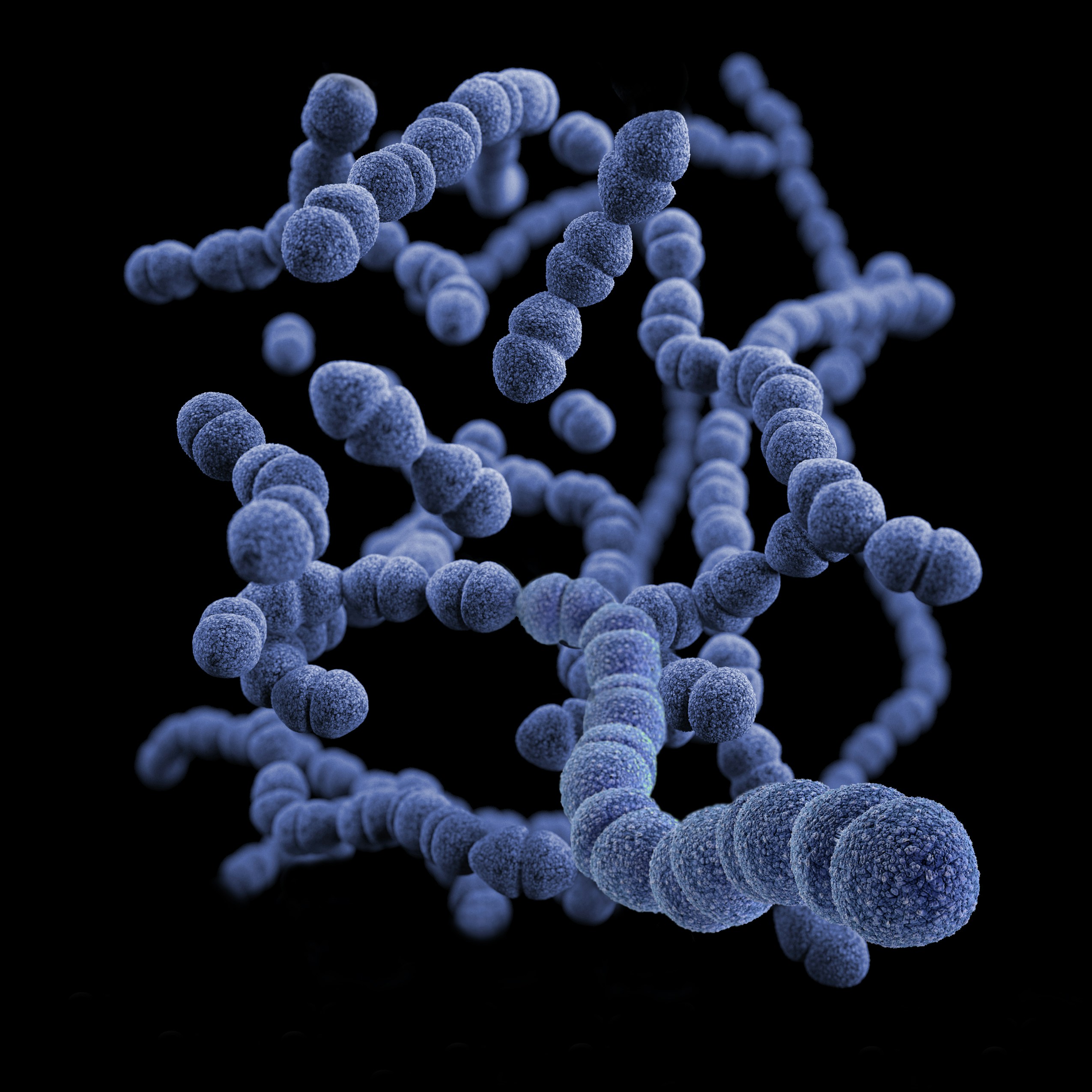
The shift toward microbial interventions in both livestock and crop production reflects the same underlying trend: sustainable farm management requires working with biological systems not around them. Chemical and antibiotic inputs that substitute for biological function create dependency escalating costs and long-term fragility. Biological inputs that restore and reinforce microbial communities build resilience that compounds over time.
For diversified farm operations running both livestock and row crops the connection is direct. Healthy pastures with diverse plant communities support the rumen microbiome of grazing animals. Healthy soil microbiomes support the root biology that drives crop yields. Cover crops and reduced tillage preserve the biological infrastructure that both systems depend on. The farm that manages biology well across the operation — above and below ground — is the farm that stays productive through the conditions that stress everyone else.
Microbes are not a niche interest for biology-focused farmers. They are the biological infrastructure that every productive farm — livestock or crop — depends on. In livestock they drive digestion immune function and disease resistance. In the soil they drive nutrient cycling root development and crop resilience. The science connecting both is the same. The opportunity for farmers who understand it is significant.
Q: How do microbes improve livestock health?
Microbes in the gut — particularly in the rumen of cattle and other ruminants — break down plant fiber into usable energy support immune function and suppress pathogens. Probiotic interventions that maintain gut microbiome diversity improve feed conversion reduce disease susceptibility and lower antibiotic dependency in livestock operations.
Q: What is the connection between gut microbiomes and soil microbiomes?
Both gut and soil microbiomes are living microbial communities that perform biological functions the host organism cannot perform alone. Gut microbiomes support digestion and immune function in animals. Soil microbiomes support nutrient cycling root development and disease suppression in crops. Both are depleted by the same types of stressors — chemical overuse monoculture and physical disruption — and both are restored through targeted microbial interventions.
Q: What are microbial inoculants for crops?
Microbial inoculants are agricultural inputs containing live beneficial microorganisms — bacteria and fungi — applied to seeds or soil to improve rhizosphere biology. They fix nitrogen solubilize phosphorus stimulate root development and suppress soil-borne pathogens. The principle is the same as livestock probiotics: restoring microbial function that intensive management has depleted.
Q: How does reducing antibiotic use in livestock connect to soil health?
Antibiotic residues from livestock operations can enter the soil through manure applications affecting soil microbial communities. Reducing antibiotic use in livestock reduces this pathway of soil microbiome disruption. Farms that manage gut health biologically in their livestock and soil health biologically in their crop ground are building integrated systems that are more productive and resilient across the operation.
Q: Can microbial inputs improve both livestock and crop productivity?
Yes — though the specific organisms and applications differ. In livestock probiotics and prebiotics improve rumen function feed efficiency and immune health. In crops microbial seed treatments improve rhizosphere biology nutrient uptake root development and yield. The underlying science is the same: targeted microbial interventions restore biological function that intensive management has degraded.