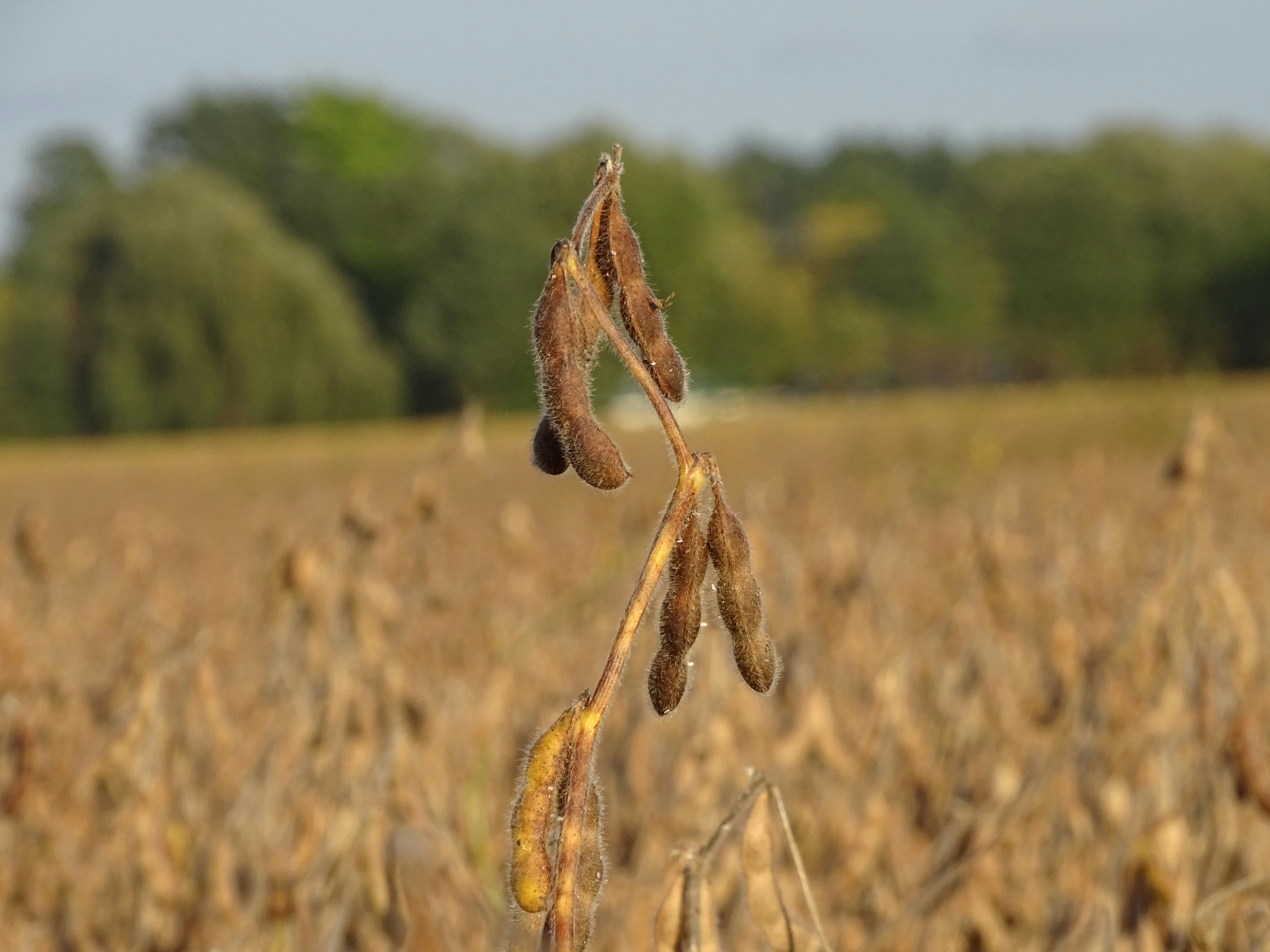
See what Prairie Power could do on your soybeans —
Grow EstimatorSee what Prairie Power could do on your soybeans —
Grow EstimatorPesticides in Agriculture: What They Are What They Cost and
What's Replacing Them

Earnest Agriculture
March 3, 2025


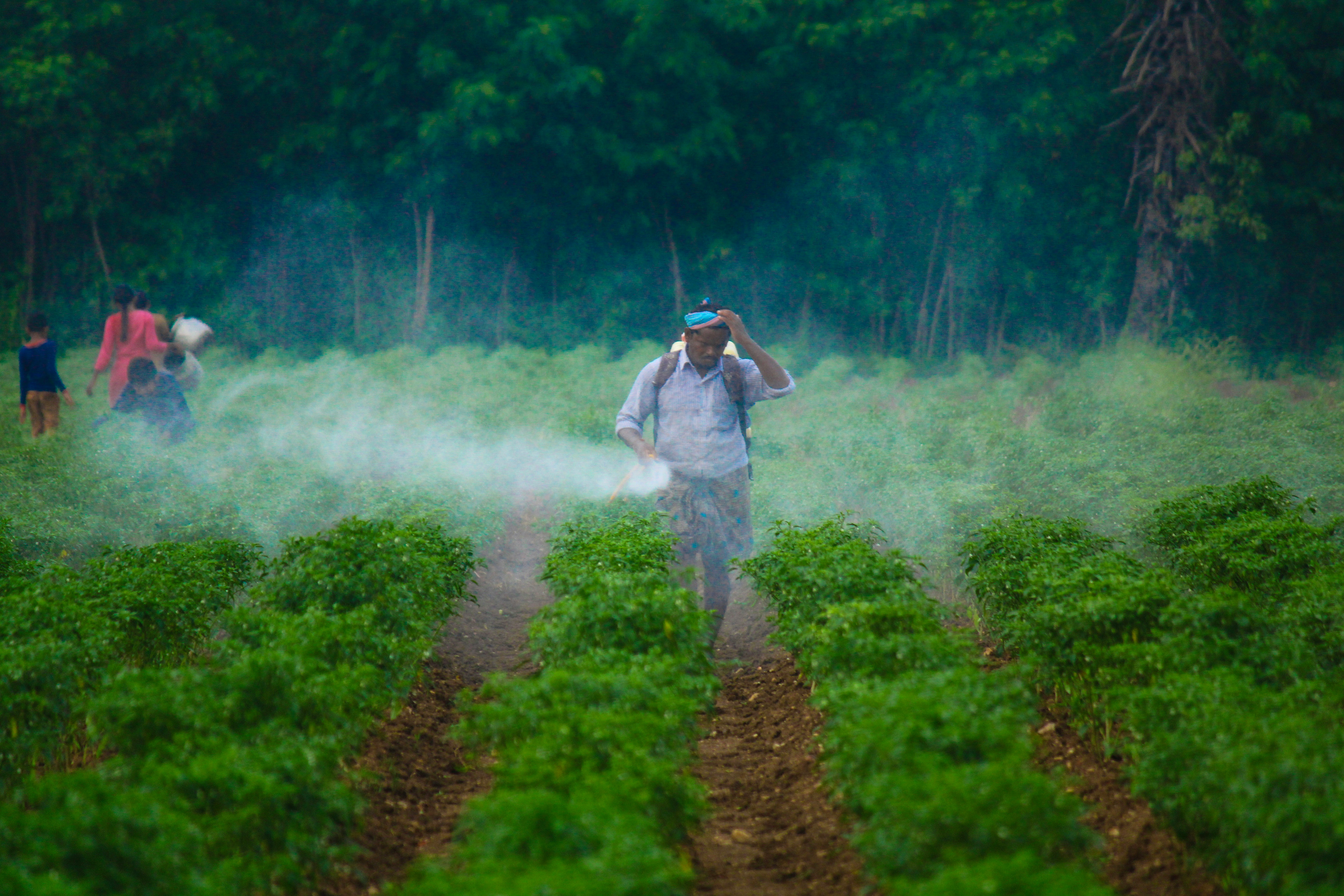
Pesticides are chemical or biological substances applied to crops to control organisms that damage yield. The three main categories used in row-crop agriculture are insecticides (targeting insects) herbicides (targeting weeds) and fungicides (targeting fungal diseases). Each was developed to solve a specific problem — and each carries unintended consequences beyond the target pest.
Widespread pesticide use accelerated after World War II. Synthetic chemicals like DDT transformed farming almost overnight — yields increased crop losses fell and food became more widely available. For a generation of farmers pesticides were as close to a guaranteed outcome as agriculture could offer.
The trade-off took time to surface. Pests adapted requiring stronger and more frequent applications. Input costs rose. Soil biology degraded. Regulatory pressure increased. The short-term productivity gains masked long-term costs that are still being accounted for today.

Pesticides do not stay where they are applied. Their impact extends beyond the field in ways that affect soil water biodiversity and human health.
Pesticides do not selectively target harmful organisms. Alongside the pests they are designed to control they kill beneficial soil microbes — the bacteria fungi and other organisms that cycle nutrients build soil structure and support plant root function. Over time biologically depleted soils lose fertility aggregate stability and the natural resilience that reduces input dependency.
Rain and irrigation move pesticide residues off fields and into waterways. Many synthetic compounds do not degrade quickly — they persist in rivers lakes and groundwater affecting aquatic life and in some cases contaminating drinking water supplies. Nitrate and pesticide contamination of rural groundwater is a well-documented and ongoing issue in the U.S. Corn Belt.
Non-target species are consistently impacted by pesticide applications. Pollinators — bees butterflies and other insects critical to global food production — are particularly vulnerable. Their decline has measurable ripple effects throughout agricultural ecosystems and directly threatens the long-term productivity of farming landscapes.
Pesticide residues persist on harvested crops and enter the food supply. Farmers and farmworkers face direct exposure risks through handling mixing and application — risks that accumulate over a career of chemical-intensive farming.
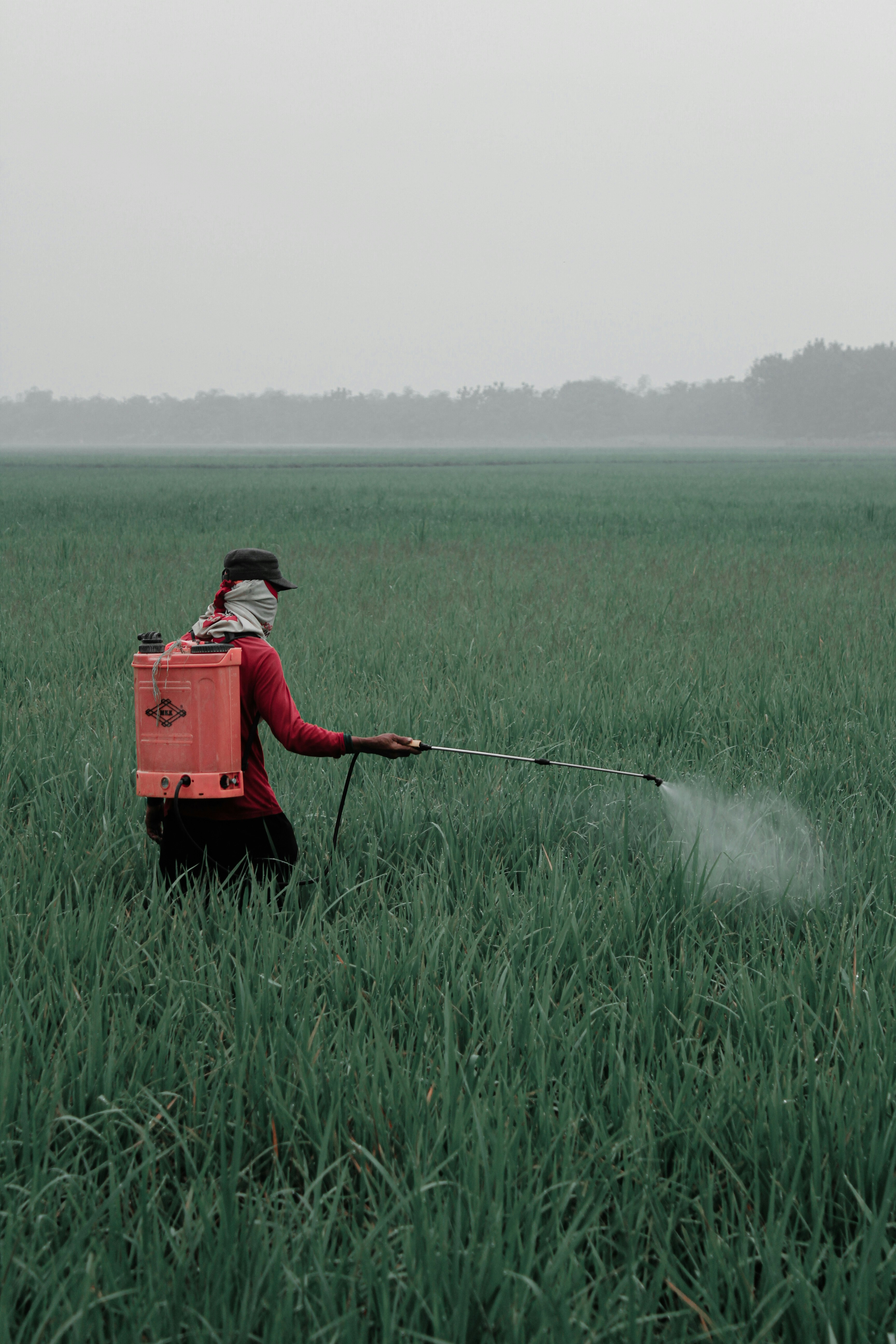
The case for reducing pesticide dependency is no longer purely environmental. It is economic. Pest resistance has made many chemical programs less effective over time requiring higher rates and more passes to achieve the same result. Input costs have risen sharply. And consumer demand for sustainably produced food is creating market pressure that did not exist a generation ago.
Searches for sustainable farming and soil health have grown steadily over the past five years. The farmers and agronomists paying attention to those trends are already positioning their operations ahead of where the market is heading.
The most durable alternative to chemical pest management is not a single product — it is a system. Farmers reducing pesticide dependency are combining several approaches.
Integrated pest management (IPM) combines crop rotation monitoring thresholds and natural predators to manage pest pressure with the minimum necessary chemical intervention. IPM does not eliminate pesticide use — it makes it targeted and justified rather than routine and preventive.
Beneficial insects including predatory wasps ground beetles and lacewings naturally suppress pest populations when farming systems support their habitat. Diverse crop rotations field margins and reduced insecticide use all contribute to a farm environment where biological controls function effectively.
Microbial seed treatments represent the most direct biological intervention available to row-crop farmers. By coating seeds with beneficial microorganisms — bacteria and fungi that support root development nutrient uptake and disease resistance — farmers strengthen crops from germination forward rather than responding to problems after they appear.
Earnest Agriculture's Prairie Power Soybean is an AI-designed microbial biostimulant that improves rhizosphere biology at the root level. Across 45 locations in 14 states in 2025 it delivered an average 7 percent yield lift at $10 per acre — a 3:1 return on investment (ROI) for farmers. Results vary by field; run the numbers on your acres.
Pesticides solved real problems and their role in modern agriculture is not going to zero overnight. But the cost — to soil biology water quality biodiversity and long-term farm profitability — is high enough that reducing dependency is both an environmental and economic priority.
The farmers building the most resilient operations are not waiting for regulation to force the shift. They are using biological tools that improve soil health build crop resilience and reduce the input load that makes farming expensive and fragile. That is what farming with biology — rather than against it — looks like in practice.
Q: Are pesticides harmful to soil?
Yes. Pesticides do not selectively kill only target pests. They also kill beneficial soil microbes — bacteria fungi and other organisms that cycle nutrients build soil structure and support plant health. Over time repeated pesticide applications reduce soil biological diversity and deplete the microbial community that makes soil naturally productive.
Q: What are the best alternatives to pesticides?
The most effective alternatives combine integrated pest management (IPM) biological controls and microbial seed treatments. IPM uses monitoring and thresholds to minimize chemical use. Biological controls leverage natural predators. Microbial seed treatments strengthen crops from germination through improved root biology nutrient uptake and natural disease resistance.
Q: How do microbes help plants resist pests?
Beneficial soil microbes strengthen plant root systems improve nutrient uptake and trigger natural plant defense responses. A robust rhizosphere microbiome competes with soil-borne pathogens and reduces disease pressure. Plants with stronger root biology and better nutrition are inherently more resilient to pest and disease stress than plants growing in biologically depleted soil.
Q: What is integrated pest management?
Integrated pest management (IPM) is a pest control approach that combines monitoring crop rotation natural predators and targeted chemical use to manage pest pressure with minimum environmental impact. Rather than applying pesticides on a calendar schedule IPM applies them only when pest populations exceed economic thresholds — reducing total chemical use and input costs.
Q: Why are pesticides becoming less effective?
Pests evolve resistance to chemical controls over time — particularly when exposed to the same active ingredients repeatedly. Herbicide-resistant weeds like waterhemp and palmer amaranth are well-documented examples in the Corn Belt. Resistance reduces the efficacy of standard programs and drives up costs as farmers require higher rates or rotation to different chemistries to achieve control.