See what Prairie Power could do on your soybeans —
Grow EstimatorSee what Prairie Power could do on your soybeans —
Grow EstimatorSustainable Farming Techniques Every Farmer Should Know:
Crop Rotation Worm Castings and Organic Fertilizers

Earnest Agriculture
March 3, 2025


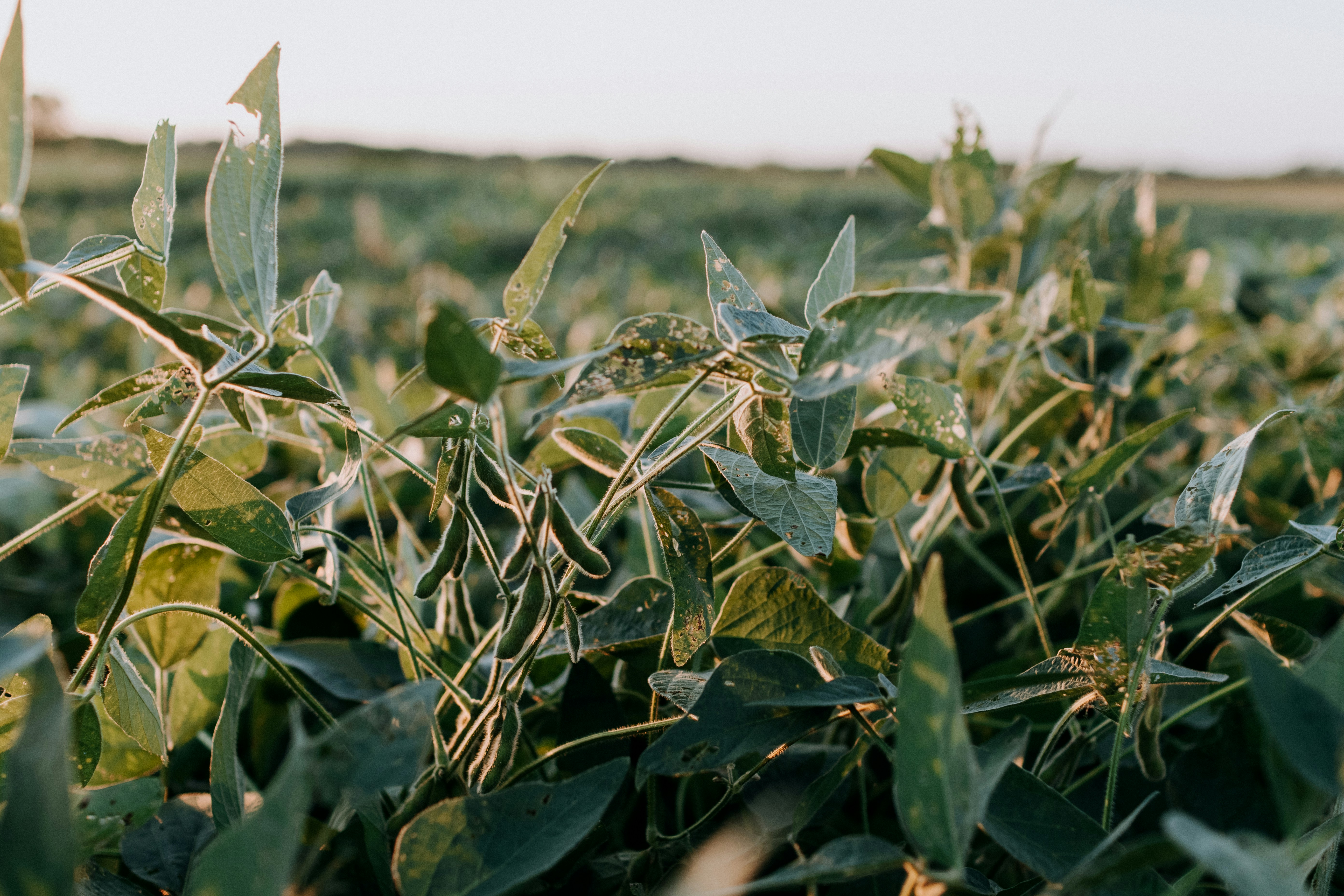
Sustainable agriculture is not a new idea — it is a return to the principles that kept farmland productive for generations before synthetic inputs became the default. Crop rotation conservation tillage and organic fertilizers are not alternatives to productivity. They are the foundation of it.
The farms under the most input pressure today are often the ones that have drifted furthest from these fundamentals — continuous monocultures in compacted soils with depleted organic matter that require more chemistry every year to maintain the same yields. Rebuilding from that baseline requires understanding what these practices do biologically and how to integrate them into a modern operation without sacrificing near-term performance.
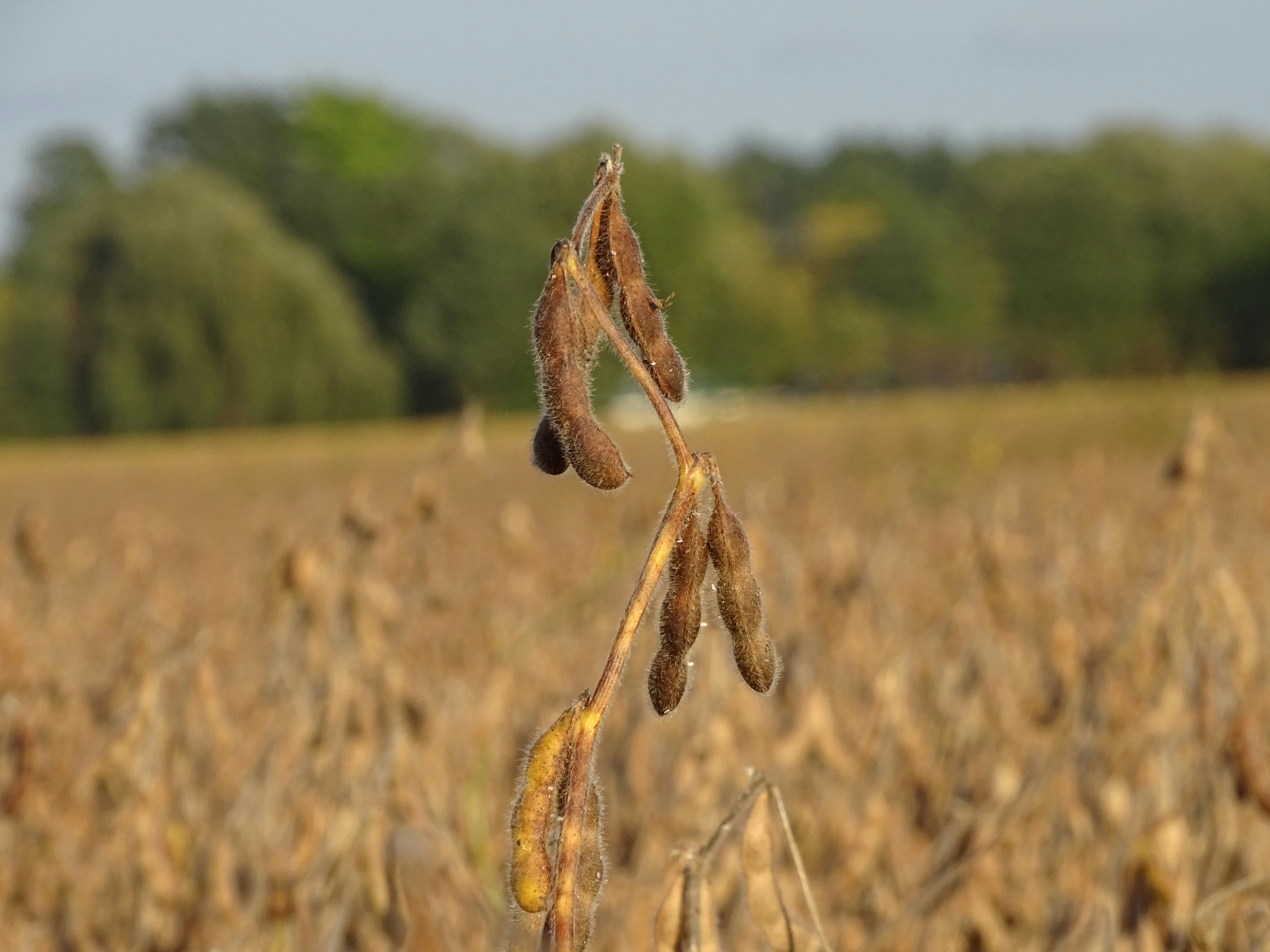
Crop rotation is the practice of growing different crops sequentially on the same land over time rather than planting the same species year after year. It is one of the oldest and most well-documented sustainable farming practices available — and one of the highest-return management changes a farmer can make without adding a single new input.
Different crops have different root architectures nutrient demands and residue chemistry. Rotating between species — corn soybeans small grains and cover crops — exposes the soil to a wider range of root exudates organic matter types and biological inputs than any monoculture can provide. This diversity feeds a broader more resilient soil microbial community that cycles nutrients more efficiently and suppresses soil-borne pathogens more effectively across the rotation.
Legumes in the rotation — soybeans hairy vetch crimson clover — fix atmospheric nitrogen biologically reducing the synthetic nitrogen requirement for the following crop. A corn crop following well-nodulated soybeans consistently requires less applied nitrogen than continuous corn at equivalent yield levels.
Many of the most economically significant pests and diseases in row crop agriculture are rotation-sensitive — they build up in fields where their host crop is grown continuously and decline when that host is removed. Corn rootworm is the most well-known example: a pest that caused minimal damage in diverse rotations and became a billion-dollar problem when continuous corn became widespread. Soybean cyst nematode sudden death syndrome and gray leaf spot all respond similarly to rotation management.
Breaking pest cycles through rotation reduces the chemical load required to manage them — lowering input costs and reducing the selection pressure that drives resistance development in both pests and pathogens.
Diverse rotations disrupt weed life cycles in ways that monocultures cannot. Different planting dates canopy architectures and herbicide modes of action used across rotation crops prevent any single weed species from dominating the seed bank. Rotation is one of the most effective long-term tools for managing herbicide-resistant weed populations that have become a significant challenge in continuous corn-soybean systems.
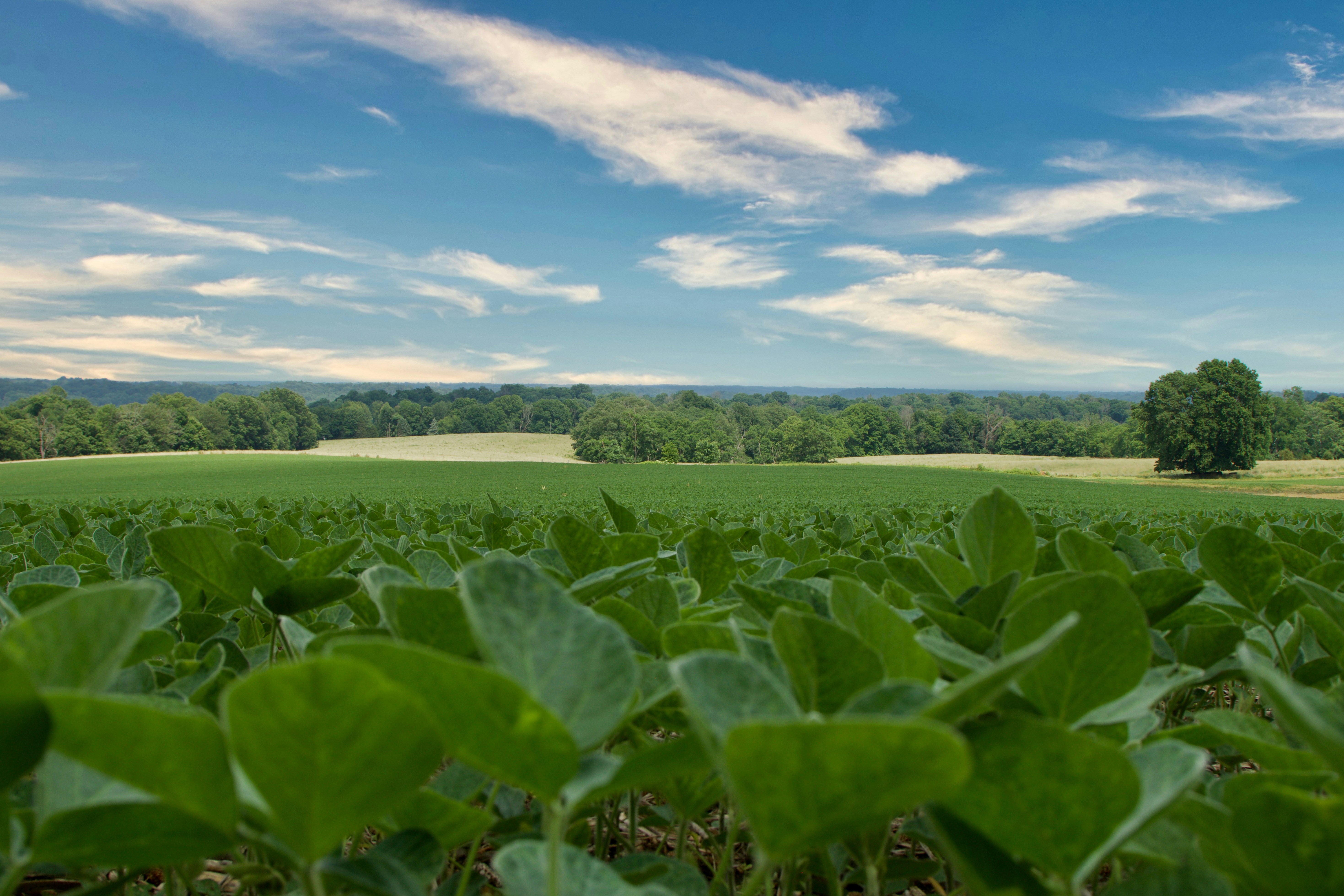
Conservation tillage — including no-till strip-till and reduced tillage systems — minimizes mechanical soil disturbance to preserve the physical biological and chemical soil properties that tillage destroys. It is the practice most directly tied to long-term soil organic matter accumulation and the health of the fungal networks that build topsoil structure.
A single tillage pass physically severs mycorrhizal hyphal networks that took months to establish — reducing the fungal colonization that improves phosphorus uptake and aggregate stability. It exposes organic matter to rapid oxidation releasing carbon that took years to accumulate. It destroys the macroaggregate structure that determines water infiltration compaction resistance and root penetration. And it kills or displaces the macro-fauna — earthworms beetles millipedes — that perform the mechanical work of decomposition and soil mixing that benefits no-till systems over time.
Long-term no-till fields consistently show higher organic matter greater aggregate stability more diverse microbial communities and deeper biologically active topsoil than continuously tilled fields — particularly when combined with cover crops that keep living roots in the soil year-round. The transition takes time: biological recovery after long-term tillage typically shows measurable improvement within 3 to 5 years and continues building for decades.
Organic fertilizers differ from synthetic fertilizers in a fundamental way: they feed the soil biological community that feeds the crop rather than bypassing that community entirely. The result is slower nutrient release tied to biological activity — but also improved soil health over time rather than the degradation that accompanies heavy synthetic programs.
Worm castings — the excretions of earthworms as they process organic matter — are among the most biologically active materials in the soil. They are rich in plant-available nitrogen phosphorus potassium and micronutrients in forms that are immediately accessible to plant roots. More importantly they contain dense populations of beneficial bacteria and fungi that seed the soil microbiome around transplants seedlings and root zones.
Worm castings as a fertilizer input are most practical at smaller scales — market gardens transplant production and high-value specialty crops. In broad-acre row crop systems their relevance is less as a direct input and more as a marker of earthworm population health: fields with active earthworm populations are producing castings continuously through the season as worms process residue and organic matter throughout the soil profile.
Supporting earthworm populations through reduced tillage cover crops and organic matter addition is the practical equivalent of worm castings fertilizer at field scale — creating the conditions where earthworms do the work continuously rather than relying on applied product.
Compost adds organic matter microbial biomass and a slow-release nutrient profile to soil. Applied consistently over multiple seasons it raises organic matter percentage improves water holding capacity and feeds the decomposer community that drives nutrient cycling. It is most cost-effective when produced on-farm from crop residue manure and cover crop biomass.
Livestock manure is one of the oldest and most nutrient-dense organic fertilizers available to farmers with integrated crop-livestock operations. Properly managed — applied at agronomic rates incorporated or injected to reduce volatilization and timed to align with crop uptake windows — manure builds organic matter reduces synthetic fertilizer requirements and feeds the soil biological community simultaneously.
.jpg)
Crop rotation conservation tillage and organic fertilizers all work through the same mechanism: they restore and support the soil microbial community that drives nutrient cycling root development and crop resilience. Microbial seed treatments accelerate that process by directly introducing the beneficial organisms that these practices are designed to sustain.
On fields transitioning from high-tillage continuous monoculture systems microbial inoculants can shorten the biological recovery timeline — delivering rhizosphere function from day one rather than waiting for natural population recovery. On fields already managed with conservation practices they reinforce and enhance the existing biological community.
Earnest Agriculture's Prairie Power Soybean is an AI-designed microbial biostimulant that works at the root level to support the soil biology that sustainable practices are building. Across 45 locations in 14 states in 2025 it delivered an average 7 percent yield lift at $10 per acre — a 3:1 return on investment (ROI) for farmers. Results vary by field; run the numbers on your acres.
Crop rotation breaks pest cycles builds soil fertility and reduces input dependency. Conservation tillage preserves fungal networks organic matter and soil structure. Organic fertilizers feed the biological community that makes nutrients available to crops. Worm castings represent the biological activity that healthy soil produces continuously when managed well. And microbial inoculants accelerate the recovery of the biology that ties every practice together.
These are not idealistic alternatives to productive farming. They are the practices that the most profitable and resilient farms in the next decade will be built on.
Q: What are the main benefits of crop rotation?
Crop rotation breaks pest and disease cycles that build up under continuous monoculture improves soil fertility through diverse root architectures and legume nitrogen fixation reduces herbicide-resistant weed pressure and supports a more diverse soil microbial community. It is one of the highest-return management practices available without adding new inputs.
Q: What is conservation tillage and why does it matter?
Conservation tillage includes no-till strip-till and reduced tillage systems that minimize mechanical soil disturbance. It preserves mycorrhizal fungal networks soil aggregate structure organic matter and macro-fauna populations that tillage destroys. Long-term no-till fields consistently show higher organic matter greater biological activity and better water infiltration than continuously tilled fields.
Q: What are worm castings and are they effective as fertilizer?
Worm castings are the excretions of earthworms as they process organic matter — rich in plant-available nutrients and dense populations of beneficial soil microbes. They are highly effective at small scales for transplants and high-value crops. In broad-acre systems the practical focus is on supporting earthworm populations through reduced tillage cover crops and organic matter so castings are produced continuously throughout the soil profile.
Q: How do organic fertilizers differ from synthetic fertilizers?
Organic fertilizers feed the soil biological community that releases nutrients to plants rather than supplying nutrients directly. This produces slower nutrient release tied to biological activity but also improves soil health over time. Synthetic fertilizers supply nutrients immediately but bypass soil biology — and at high rates can suppress the microbial communities that organic matter and biological inputs are designed to support.
Q: How do sustainable farming practices connect to microbial seed treatments?
Crop rotation conservation tillage cover crops and organic fertilizers all work by restoring and supporting soil microbial communities. Microbial seed treatments directly introduce beneficial organisms that these practices sustain — accelerating biological recovery on transitioning fields and reinforcing existing biology on well-managed ones. Together they build soil function faster than either approach alone.