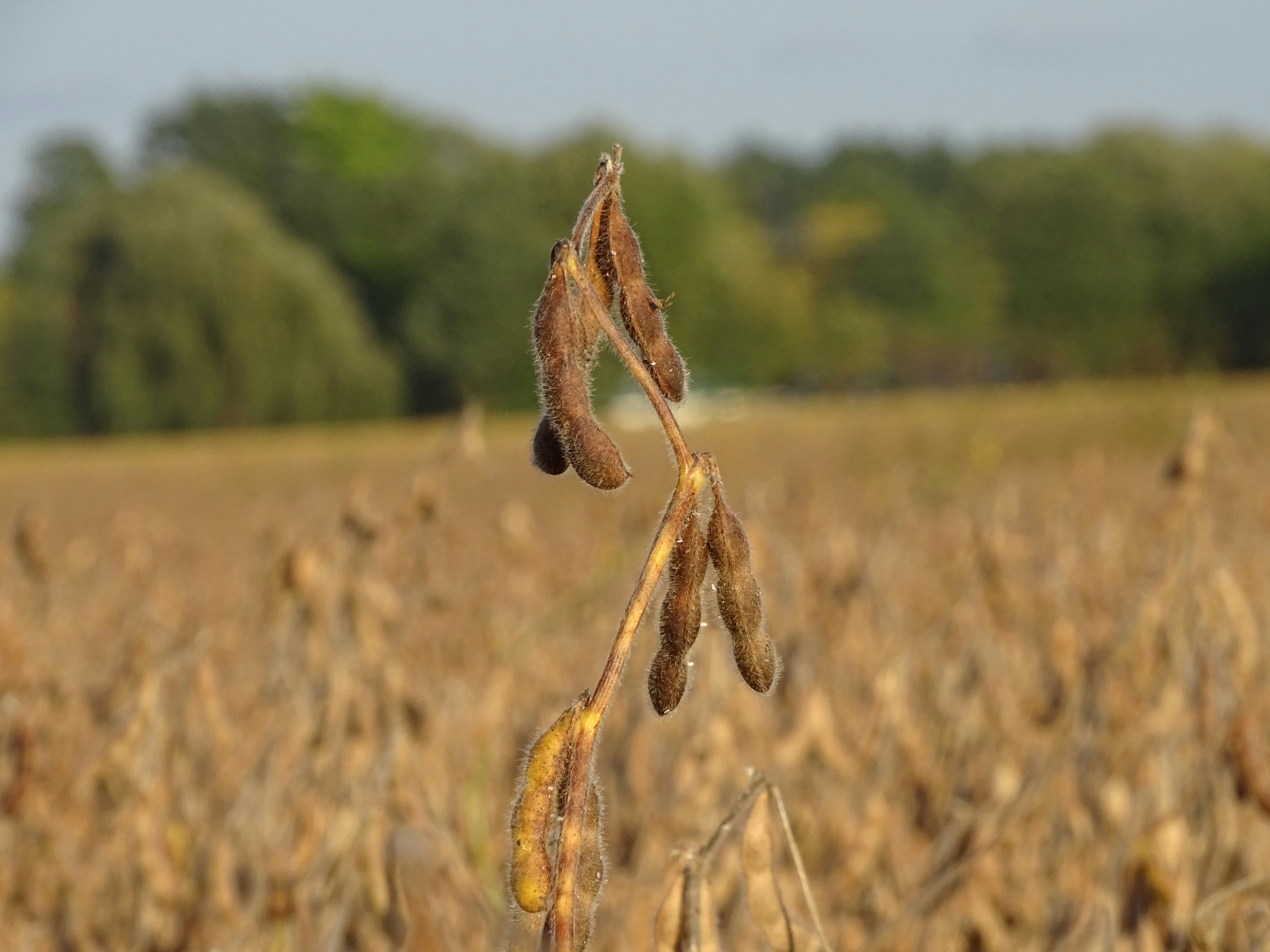
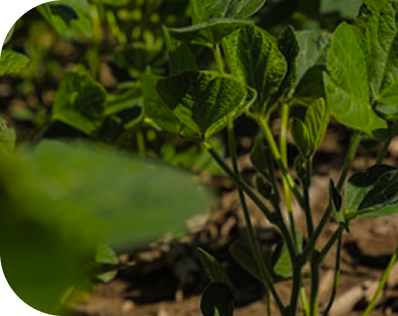
See what Prairie Power could do on your soybeans —
Grow EstimatorSee what Prairie Power could do on your soybeans —
Grow EstimatorWhat Is the Soil Food Web and
Why It Determines Your Yield Ceiling

Earnest Agriculture
March 3, 2025


A food web is a system of interconnected feeding relationships in which energy and nutrients pass from one organism to another. In soil the food web operates the same way: bacteria and fungi consume organic matter protozoa consume bacteria nematodes consume protozoa and larger organisms consume nematodes creating a layered system of biological activity that drives nutrient cycling and soil function.
The soil food web is not a passive background process. It is the biological engine that determines how efficiently organic matter is converted into plant-available nutrients how well soil aggregates are built and maintained and how effectively disease-suppressive microbial communities develop around plant roots.

Plants are the energy entry point for the soil food web. Through photosynthesis they fix carbon and release 20 to 40 percent of that carbon through root exudates directly into the rhizosphere feeding the bacterial and fungal communities at the base of the web.
Bacteria and fungi are the primary decomposers in the soil food web. They break down plant residue animal manure and soil organic matter releasing nutrients in plant-available forms and building the carbon compounds that form soil aggregates.
Protozoa are single-celled organisms that graze on bacteria releasing the nitrogen stored in bacterial cells into the soil solution as ammonium. Research shows that protozoan grazing on bacteria can supply 20 to 30 percent of the nitrogen a corn crop takes up during the season.
Nematodes are microscopic roundworms that occupy multiple positions in the soil food web. Bacterivorous nematodes graze on bacteria releasing nitrogen. Fungivorous nematodes graze on fungal hyphae. Together nematodes regulate the populations of lower food web layers maintaining the diversity that keeps nutrient cycling efficient.
Earthworms beetles mites and other larger soil organisms form the top of the soil food web. Earthworms physically mix organic matter into the soil profile improve drainage through burrowing and produce worm castings rich in plant-available nutrients. Earthworm population density is one of the most reliable indicators of overall soil food web health.
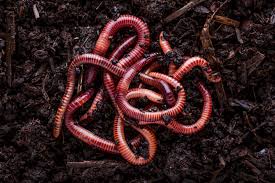
Decomposers are the organisms that break down dead organic matter into simpler compounds. They are the recycling system of the soil food web converting the nitrogen phosphorus potassium and micronutrients locked in crop residue and organic matter back into plant-available forms that the next crop can use.
Tillage is the most damaging single management practice for soil food web health. Aggressive tillage physically destroys fungal hyphae breaks apart soil aggregates that provide habitat for bacteria and protozoa and exposes organic matter to rapid oxidation. Monoculture reduces the diversity of root exudates feeding soil biology.

Microbial seed inoculants seed the base of the soil food web at the point where it matters most: the rhizosphere immediately surrounding the germinating seed and developing root system. By delivering concentrated populations of beneficial bacteria and fungi directly to the root zone at planting inoculants establish a biologically active rhizosphere from the earliest stages of crop development.
Earnest Agriculture Prairie Power Soybean is an AI-designed microbial biostimulant that seeds the base of the soil food web with the specific bacterial and fungal populations that drive soybean rhizosphere performance. Across 45 locations in 14 states in 2025 it delivered an average 7 percent yield lift at $10 per acre a 3:1 return on investment for farmers. Results vary by field; run the numbers on your acres.
Q: What is the food web definition in simple terms?
A food web is a system of interconnected feeding relationships through which energy and nutrients pass from one organism to another. In soil the food web runs from plants and bacteria at the base through protozoa nematodes and earthworms forming a layered biological system that drives nutrient cycling decomposition and soil structure formation.
Q: What do decomposers do in the soil food web?
Decomposers including bacteria fungi and earthworms break down dead organic matter releasing the nutrients locked in crop residue and organic matter back into plant-available forms.
Q: How does the soil food web affect crop yield?
The soil food web determines how efficiently organic matter is converted into plant-available nutrients. Fields with a healthy food web supply more in-season nitrogen from biological mineralization and require less synthetic input to achieve target yields.
Q: What is the soil food web?
The soil food web is the community of organisms living in soil that cycle nutrients build soil structure and decompose organic matter. It includes bacteria fungi protozoa nematodes earthworms and larger macro-fauna all connected through feeding relationships.
Q: How do microbial inoculants support the soil food web?
Microbial inoculants seed the base of the food web at the rhizosphere delivering concentrated populations of bacteria and fungi to the root zone at planting establishing biologically active conditions from the earliest stages of crop development.