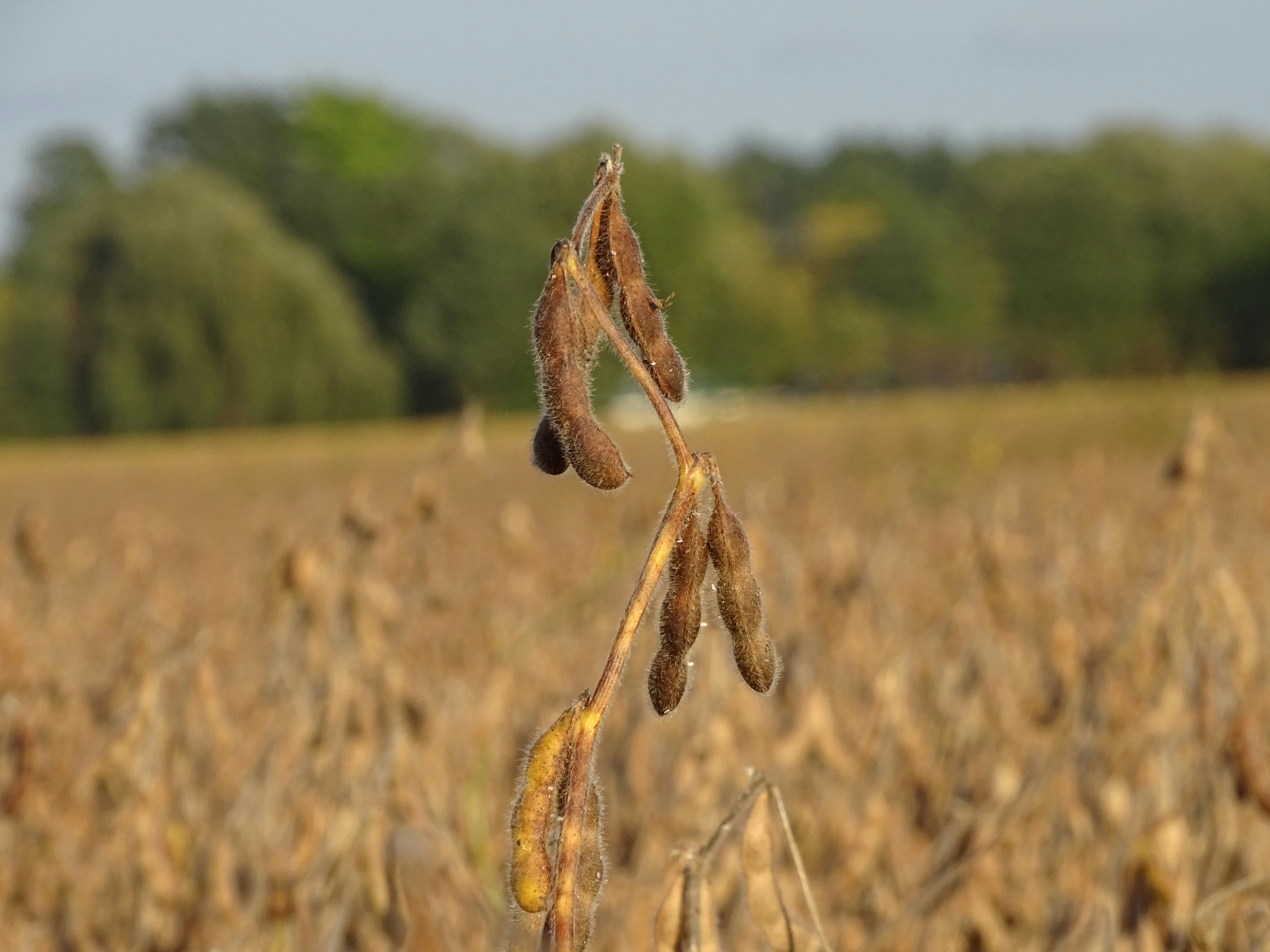
See what Prairie Power could do on your soybeans —
Grow EstimatorSee what Prairie Power could do on your soybeans —
Grow EstimatorTop 5 Irrigation Methods for Row Crop Farmers:
How to Choose the Right System for Your Operation

Earnest Agriculture
March 3, 2025


Water is the most yield-limiting resource on a farm when rainfall is insufficient or unreliable. How that water is applied — the method equipment and timing — determines how much of it reaches the crop how much is lost to evaporation runoff and deep percolation and how consistently yield potential is realized across the field.
Choosing the wrong irrigation method for a given field crop or soil type means paying more for water to deliver less of it where the crop needs it. Choosing the right one improves water use efficiency reduces input costs and gives the crop the consistent moisture supply that supports yield stability across variable weather years.
The five methods below represent the most widely used irrigation systems in U.S. row crop and specialty crop agriculture. Each has specific strengths limitations and best-fit applications. Understanding those distinctions is the starting point for making a decision that will affect farm productivity for decades.
Performance Rating: ★★★★★
Drip irrigation is the most water-efficient irrigation method available. It delivers water directly to the base of individual plants through a network of tubes emitters and drip tape — bypassing the soil surface entirely and placing moisture precisely where roots can access it.
Water savings compared to surface and sprinkler methods are significant. By eliminating surface evaporation and runoff drip systems routinely achieve 90 percent or higher application efficiency — meaning 90 cents of every dollar spent on water actually reaches the crop. Surface methods typically achieve 60 to 70 percent efficiency under good management.
Drip irrigation is the standard in high-value vegetable fruit and orchard production. Subsurface drip irrigation (SDI) is increasingly used in broad-acre corn and cotton production in water-limited regions. Initial installation cost is higher than surface methods but operating efficiency and yield consistency typically justify the investment over a 10 to 15 year system life. Leading suppliers include Netafim and Rain Bird.

Performance Rating: ★★★★★
Center pivot irrigation is the dominant irrigation system for large-scale row crop production in the United States. An automated system of pipes and sprinkler heads mounted on wheeled towers rotates around a central water supply point covering a circular area — typically 125 to 160 acres per pivot depending on arm length.
Center pivots earn a five-star rating for large operations because they deliver the combination of coverage efficiency and automation that broad-acre farming requires. A single operator can manage multiple pivots remotely with modern control systems — applying water precisely and consistently across hundreds of acres without the labor intensity of surface irrigation methods.
Center pivot systems represent a significant capital investment — typically $50,000 to $150,000 or more depending on size and configuration — but deliver the lowest per-acre water and labor cost of any system at scale. Valley Irrigation is one of the most widely recognized center pivot manufacturers in U.S. agriculture.
Performance Rating: ★★★★☆
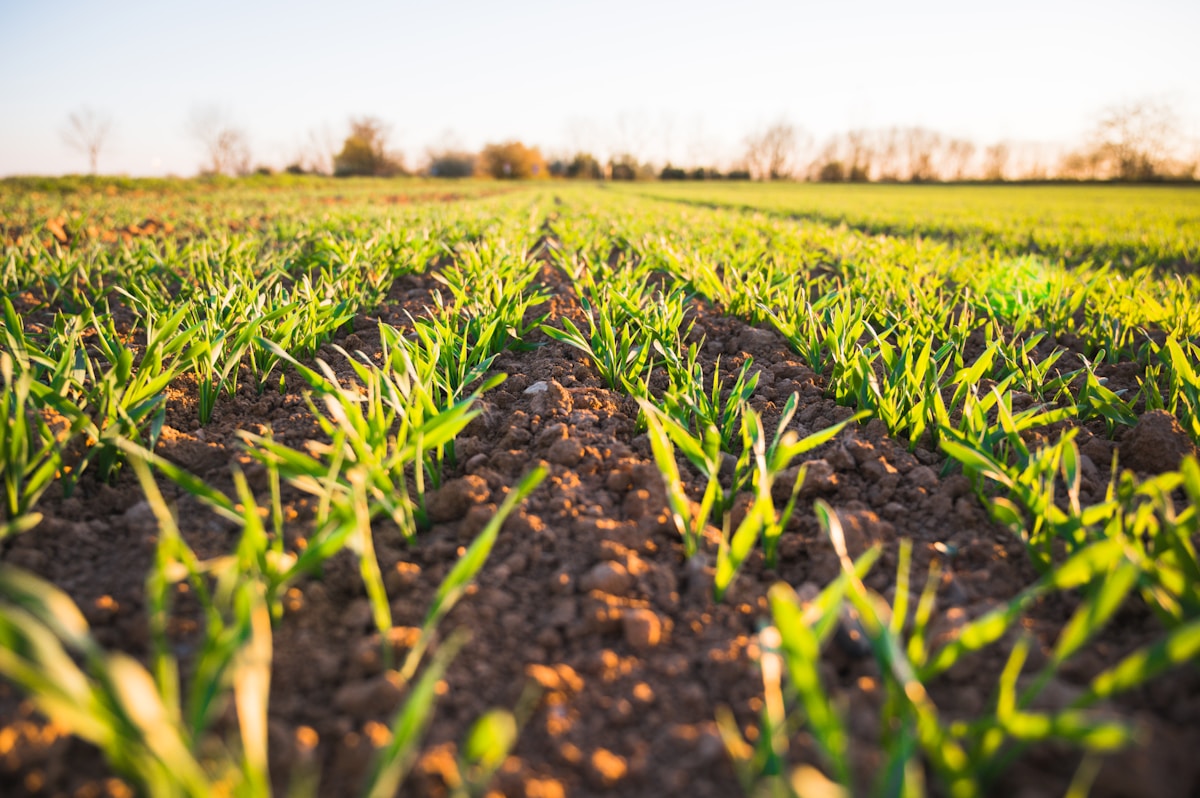
Furrow irrigation is a surface irrigation method where water flows down narrow channels (furrows) cut between crop rows — moving by gravity from the high end of the field to the low end and infiltrating into the root zone as it travels. It is the lowest-cost irrigation method to install and operate and remains widely used for row crops on flat or gently sloping ground.
The trade-off for low cost is lower precision. Water distribution uniformity in furrow systems depends heavily on soil texture field slope and furrow length — and achieving high efficiency requires careful management of flow rates and cutoff timing. Clay and fine-textured soils that absorb water slowly are better suited to furrow irrigation than sandy soils where water infiltrates rapidly before reaching the end of the furrow.
Furrow irrigation efficiency can be improved significantly with surge irrigation — alternating water flow between furrows to reduce infiltration at the top of the run and improve distribution uniformity. Tail water recovery systems that capture and recycle runoff from the low end of the field further improve water use efficiency.
Performance Rating: ★★★★☆
Sprinkler irrigation distributes water through a pressurized pipe network to overhead sprinkler heads that disperse it over the crop canopy in a pattern similar to rainfall. It is one of the most versatile irrigation methods available — effective across a wide range of crops soils and field configurations where center pivot is not practical.
Sprinkler systems earn a four-star rating for versatility and uniform distribution. They are particularly effective for germination and establishment — applying light frequent irrigations that keep the soil surface moist without the surface disturbance or channeling of furrow methods. They are also used for frost protection applying water that releases heat as it freezes to protect sensitive crops from frost damage.
Stationary solid-set sprinkler systems are common in orchards and vineyards. Hand-move and wheel-line systems remain in use in smaller operations where capital for permanent systems is limited. Rain Bird is one of the most recognized sprinkler system manufacturers with a broad product line spanning agricultural residential and commercial applications.
Performance Rating: ★★★★★
Pivot corner irrigation — also called corner arm or swing arm systems — extends center pivot coverage to the corners of square or rectangular fields that a standard circular pivot cannot reach. A standard center pivot irrigates approximately 80 percent of a square quarter-section field — leaving the four corners dry. A pivot corner system adds a swing arm that extends during corner passes to irrigate those areas and retracts as the pivot returns to the circular path.
For operations with square fields and high land costs leaving 20 percent of the field unirrigated represents a significant yield and revenue loss. Pivot corner systems recover that area with a precision-controlled extension that delivers the same uniform application as the main pivot — optimizing water distribution across the entire field regardless of shape.
The right irrigation method depends on four factors: field size and shape crop type soil texture and available capital. Center pivot and pivot corner systems deliver the best performance and lowest per-acre cost at large scale. Drip irrigation delivers the highest water efficiency for high-value crops. Sprinkler systems offer the broadest versatility across field sizes and crop types. Furrow irrigation provides the lowest-cost entry point for flat row crop ground.
Water management efficiency directly affects the productivity of every other input on the farm — fertilizer seed and crop protection products all perform better in crops with consistent adequate moisture. That connection between water management and overall soil and crop health is why irrigation selection belongs in the same conversation as soil health practices and biological inputs.
Earnest Agriculture's Prairie Power Soybean improves root development and drought tolerance through rhizosphere biology — helping crops access available soil moisture more efficiently regardless of irrigation method. Across 45 locations in 14 states in 2025 it delivered an average 7 percent yield lift at $10 per acre — a 3:1 return on investment (ROI) for farmers. Results vary by field; run the numbers on your acres.
Selecting the right irrigation method is a long-term capital and management decision. The five systems covered here — drip center pivot furrow sprinkler and pivot corner — represent the full range of options available to modern farm operations. Each has a specific best-fit application and understanding those fits is the difference between a system that pays for itself and one that underperforms for the life of the installation.
Water efficiency soil health and crop biology work together. The farms that manage all three well are the ones that deliver consistent results across variable weather years — and build the resilience that makes farming worth doing for the long term.
Q: What is the most water-efficient irrigation method?
Drip irrigation is the most water-efficient method available achieving application efficiencies of 90 percent or higher by delivering water directly to the plant root zone. It eliminates surface evaporation interrow wetting and runoff — the primary sources of water loss in surface and sprinkler systems. Subsurface drip irrigation (SDI) is increasingly used in broad-acre corn and cotton production in water-limited regions.
Q: What irrigation system is best for large row crop farms?
Center pivot irrigation is the standard for large-scale row crop production delivering the best combination of coverage efficiency and automation at scale. A single pivot covers 125 acres or more and modern systems can be monitored and controlled remotely. Pivot corner attachments extend coverage to the corners of square fields recovering the 20 percent of area a standard circular pivot cannot reach.
Q: What is furrow irrigation best suited for?
Furrow irrigation is best suited for flat or gently sloping fields growing row crops like corn soybeans and cotton in clay or fine-textured soils with moderate infiltration rates. It is the lowest-cost irrigation method to install and operate making it practical for operations where capital for center pivot or drip systems is limited. Efficiency improves with surge irrigation and tail water recovery.
Q: How does irrigation method affect soil health?
Irrigation method directly affects soil structure biological activity and long-term productivity. Surface flooding and poorly managed furrow irrigation can cause surface sealing compaction and erosion that damage soil structure. Drip and precision sprinkler systems maintain soil moisture without disrupting surface aggregates — supporting the soil biological activity that drives nutrient cycling and root health. Consistent adequate moisture also supports the rhizosphere microbial community that benefits from biological seed treatments.
Q: What is pivot corner irrigation?
Pivot corner irrigation is a swing arm extension added to a center pivot system that reaches into the corners of square or rectangular fields during corner passes. GPS-controlled it extends automatically to irrigate corner areas and retracts as the pivot returns to its circular path. It increases irrigated area from approximately 80 percent to 95 percent or more of a square field recovering significant yield potential that a standard pivot leaves dry.