See what Prairie Power could do on your soybeans —
Grow EstimatorSee what Prairie Power could do on your soybeans —
Grow EstimatorWeed Control in Row Crops:
What Is Working What Is Changing and What Is Next

Earnest Agriculture
March 3, 2025


Herbicide resistance has moved from a future concern to a present management reality for row crop farmers across the Midwest and South. Waterhemp the most problematic weed species in Corn Belt soybean production now has documented resistance to multiple herbicide modes of action in most Midwestern states. Palmer amaranth resistant to glyphosate dicamba and PPO-inhibiting herbicides is spreading north from its origin in the southeastern US. Yield losses from uncontrolled waterhemp in soybeans can reach 40 to 50 percent in severe infestations.

Glyphosate is a broad-spectrum systemic herbicide that works by inhibiting EPSPS an enzyme in the shikimate pathway that plants use to synthesize aromatic amino acids. Glyphosate kills a wide range of broadleaf and grass weed species and was the dominant weed control tool in row crops for decades following the introduction of glyphosate-tolerant crop varieties in the mid-1990s.
Glyphosate resistance has developed through multiple mechanisms: target site mutations metabolic resistance pathways that detoxify glyphosate before it reaches the target site and sequestration that moves glyphosate away from active tissue. Glyphosate remains an effective tool against susceptible weed populations but over-reliance on it as a single-mode system created the selection pressure driving resistance development.
Crop rotation is one of the most effective and underutilized weed management tools available to row crop farmers. Rotating between corn and soybeans changes the herbicide modes of action applied the planting dates and canopy closure timing and the competitive characteristics of the crop all of which disrupt weed population dynamics in ways that continuous monoculture cannot. Long-term weed seed bank data from continuous monoculture fields consistently shows higher weed pressure and greater proportion of resistant biotypes than rotated fields.

Cover crops suppress weeds through physical smothering of early-season weed emergence by the standing or rolled cover crop biomass and allelopathic chemical suppression from compounds released by decomposing residue. Cereal rye terminated at or near anthesis produces the highest biomass of any winter annual cover crop. Research shows that cereal rye mulch suppresses waterhemp emergence by 70 to 90 percent in the first four to six weeks after soybean planting covering the critical period when waterhemp is most competitive.
Healthy soil biology improves crop competitiveness against weeds by supporting faster establishment stronger early root development and more uniform canopy closure. Fields that close canopy earlier shade out light-demanding weed seedlings before they can compete. Microbial seed treatments that improve root development and early shoot growth contribute directly to the canopy closure timing that suppresses weed competition.
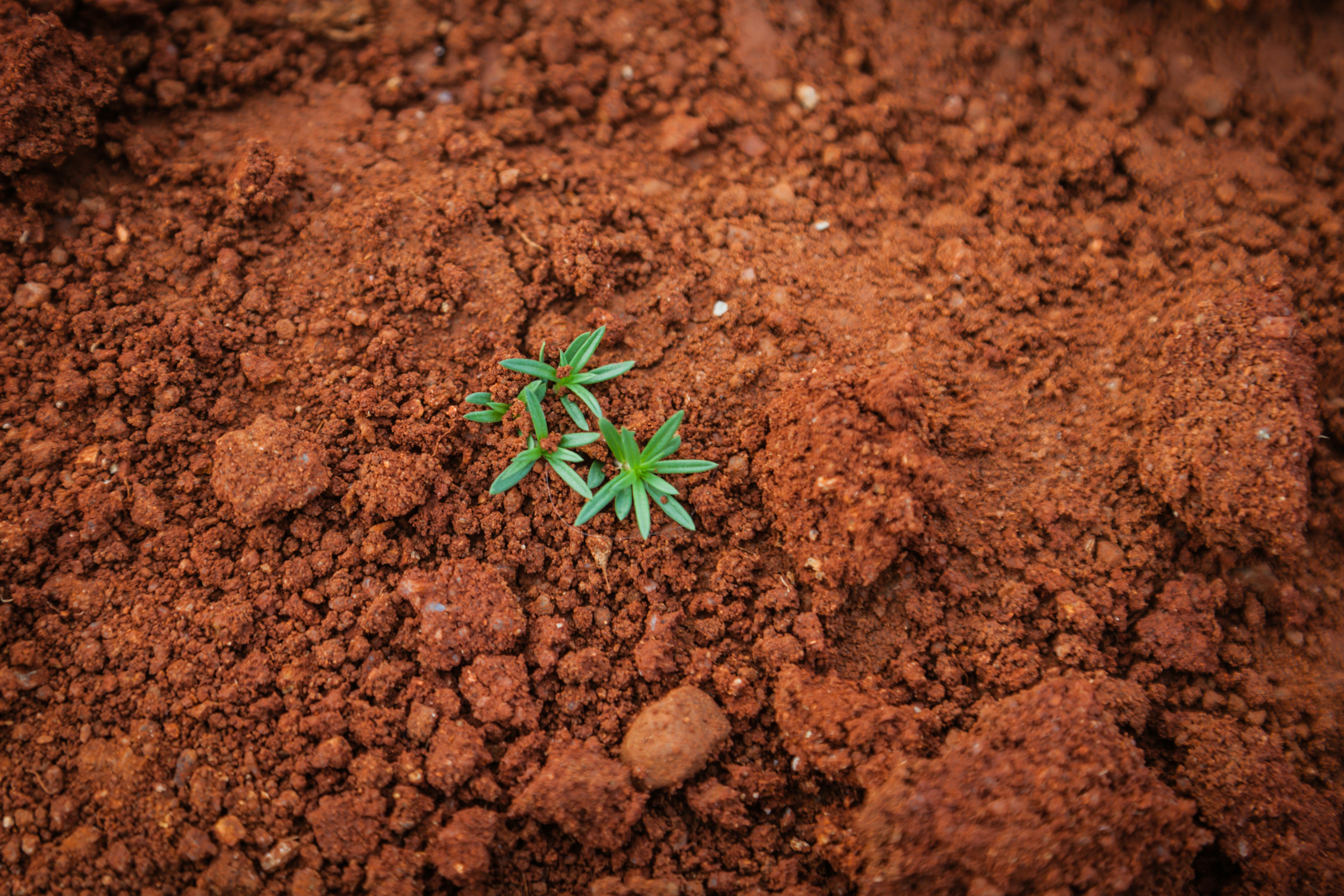
The direction of weed management in row crops is toward diversity of herbicide modes of action diversity of cultural practices and diversity of management tools that reduce the selection pressure on any single control mechanism. Cover crops crop rotation mechanical cultivation and biological approaches to improving crop competitiveness are not alternatives to herbicides they are complements that make herbicide programs more durable.
Earnest Agriculture Prairie Power Soybean supports the early establishment and root development that improves soybean competitiveness against weeds from emergence. Across 45 locations in 14 states in 2025 it delivered an average 7 percent yield lift at $10 per acre a 3:1 return on investment for farmers. Results vary by field; run the numbers on your acres.
Q: What is the biggest weed problem in row crop production today?
Herbicide-resistant waterhemp is the most significant weed management challenge in Corn Belt soybean production. Waterhemp now has documented resistance to multiple herbicide modes of action in most Midwestern states and can cause yield losses of 40 to 50 percent in severe uncontrolled infestations.
Q: What is glyphosate and how does resistance develop?
Glyphosate is a broad-spectrum systemic herbicide that kills plants by inhibiting an enzyme in the pathway that produces essential amino acids. Resistance develops when individual plants with genetic mutations survive and reproduce passing resistance genes to offspring.
Q: What are the crop rotation benefits for weed control?
Crop rotation disrupts weed population dynamics by changing herbicide modes of action each season breaking seed production cycles and varying planting and canopy closure timing. Long-term data from monoculture fields shows higher weed pressure and more resistant biotypes than rotated fields.
Q: How do cover crops help with weed control?
Cover crops suppress weeds through physical smothering by cover crop biomass and allelopathic chemical suppression from decomposing residue. Cereal rye suppresses waterhemp emergence by 70 to 90 percent in the first four to six weeks after soybean planting.
Q: How does soil health affect weed pressure in row crops?
Healthy soil biology supports faster crop establishment stronger root development and more uniform early canopy closure. Fields that achieve canopy closure earlier shade out light-demanding weed seedlings before they become competitive reducing late-season weed escapes and seed bank additions.