See what Prairie Power could do on your soybeans —
Grow EstimatorSee what Prairie Power could do on your soybeans —
Grow EstimatorWhat Are Soil Microbes? Types Functions and
Why They Matter for Your Crops

Earnest Agriculture
March 3, 2025


For row-crop farmers understanding soil microbes is not an academic exercise. It is the foundation of every soil health practice — from cover crops to microbial inoculants — and a direct lever on long-term yield potential input efficiency and crop resilience.
Soil microbes (also called soil microorganisms or soil microbial communities) are organisms too small to be seen with the naked eye that live in the soil on plant roots and within decomposing organic matter. They are the primary drivers of the soil food web — the interconnected system of organisms that cycles nutrients builds soil structure and supports plant growth.
The most biologically active zone in the soil is the rhizosphere: the narrow region of soil directly surrounding plant roots typically 1 to 3 millimeters wide. Roots release sugars amino acids and other carbon compounds called root exudates that feed the microbial community living there. Up to 10 billion bacterial cells can inhabit a single gram of rhizosphere soil.
Bacteria are the most abundant soil microorganisms with up to 10 billion cells per gram of soil near plant roots. Key agricultural species include Rhizobium and Bradyrhizobium for nitrogen fixation in soybeans Bacillus subtilis for disease suppression and root stimulation and Pseudomonas fluorescens for phosphorus cycling and plant growth promotion. Bacteria are fast-responding — their populations can shift significantly within days of a management change.
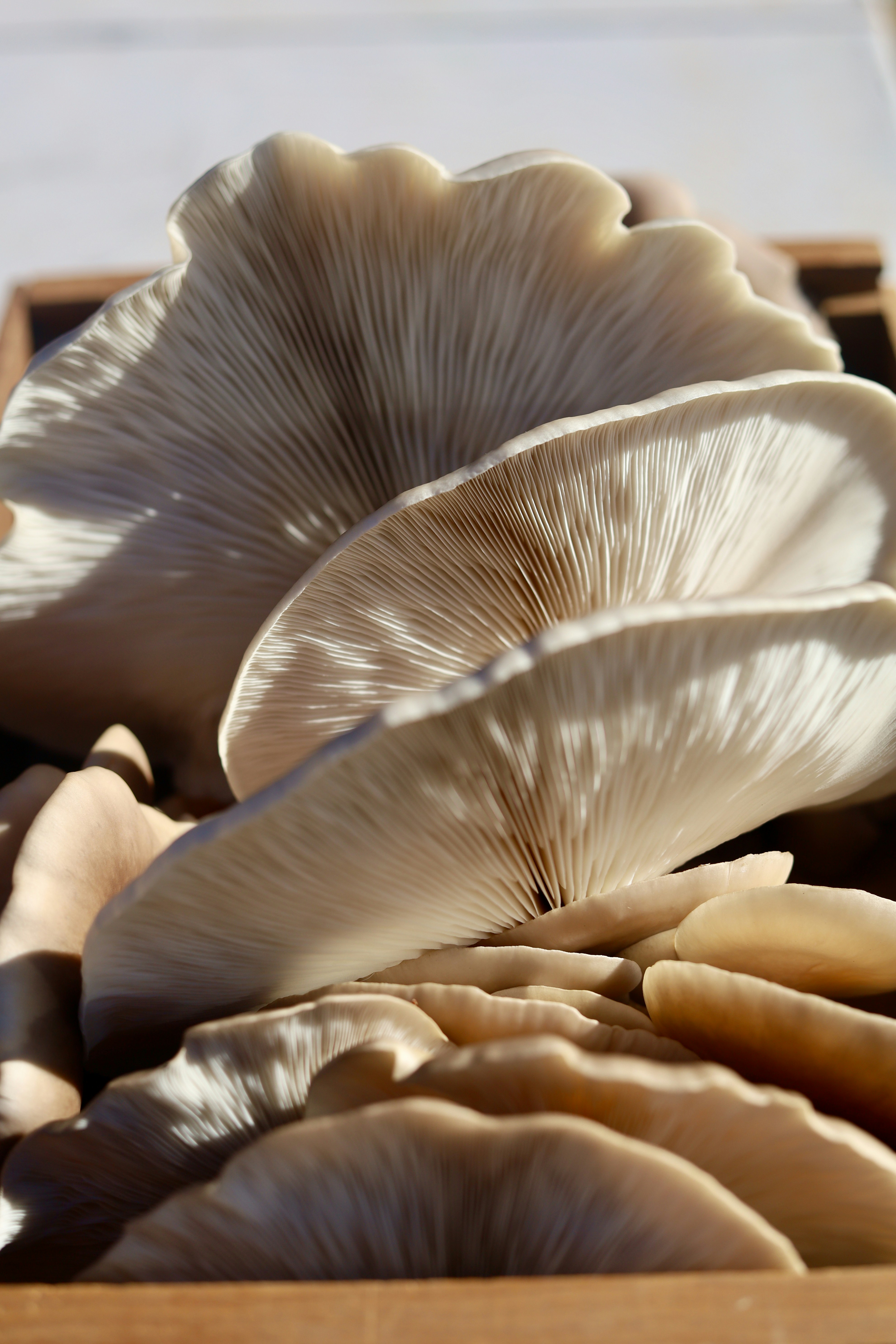
Soil fungi include both free-living decomposers and mycorrhizal fungi that form direct partnerships with plant roots. Mycorrhizal fungi — particularly arbuscular mycorrhizal fungi (AMF) — extend root reach by forming hyphal networks that access water and phosphorus far beyond what roots alone can reach. Fungi produce glomalin a sticky protein that binds soil particles into stable aggregates. Fungal networks are highly sensitive to tillage and can take years to rebuild after a tillage event.
Actinomycetes are filamentous bacteria responsible for the distinctive earthy smell of healthy soil — a compound called geosmin. They break down the most resistant organic compounds in crop residue including lignin cellulose and chitin and produce natural antibiotics that suppress soil-borne pathogens.
Protozoa graze on soil bacteria regulating bacterial population size and releasing nutrients into plant-available forms. This grazing activity is a key mechanism for making nitrogen available to plants during the growing season.
Algae including cyanobacteria are photosynthetic microorganisms found in the upper inch of soil. They add organic matter fix atmospheric nitrogen in some species and form biological soil crusts that reduce surface erosion on bare ground.

A microbial inoculant is an agricultural input containing live beneficial microorganisms applied to seeds in-furrow or as a foliar treatment to enhance specific microbial populations in the rhizosphere. Earnest Agriculture's Prairie Power Soybean is an AI-designed microbial biostimulant that delivered an average 7 percent yield lift at $10 per acre across 45 locations in 14 states in 2025 — a 3:1 return on investment (ROI). Results vary by field; run the numbers on your acres.
Soil microbes are the biological workforce every acre of farmland depends on. Managing for soil microbial health is one of the most durable investments a farmer can make in long-term yield potential input efficiency and crop resilience.