See what Prairie Power could do on your soybeans —
Grow EstimatorSee what Prairie Power could do on your soybeans —
Grow EstimatorWhat Is CRISPR and
How Is It Changing Agriculture: Gene Editing Explained

Earnest Agriculture
March 3, 2025



CRISPR stands for clustered regularly interspaced short palindromic repeats. It is a gene editing technology that allows scientists to precisely locate and modify specific sequences of DNA in the genome of essentially any living organism — plant animal fungus or microorganism. The genome is the complete DNA blueprint of an organism controlling everything from leaf color to fruit production to disease resistance.
Before CRISPR gene editing was possible but slow expensive and imprecise. CRISPR changed the equation by making it fast affordable and highly accurate — reducing what once took years and millions of dollars to a process that takes weeks in a well-equipped laboratory. The result is a technology that has moved from theoretical biology into active agricultural application faster than almost any comparable advance in the history of applied science.
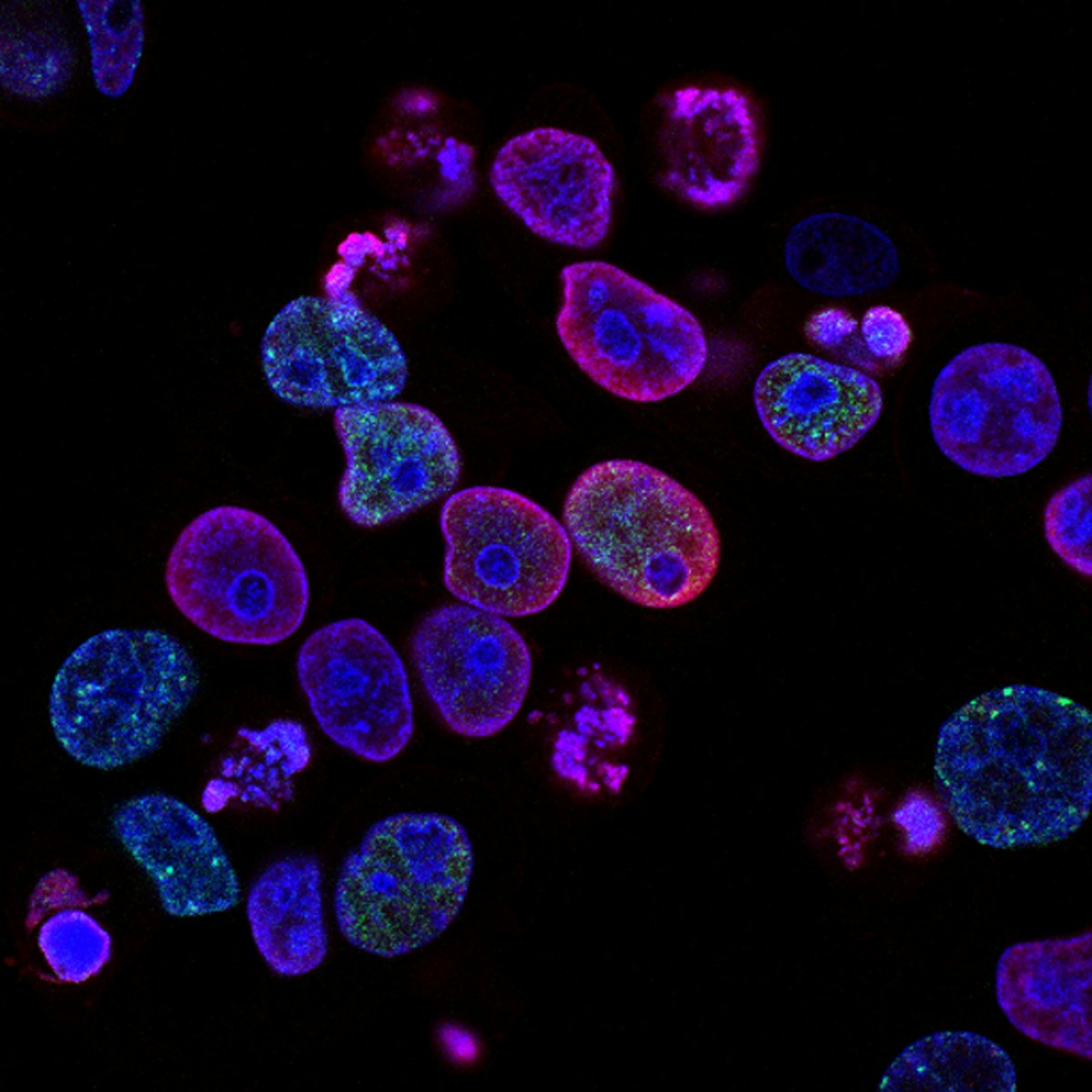
The science is complex but the core mechanism is straightforward. DNA and RNA — the two nucleic acids that carry and express genetic information — are built from sequences of nucleotide bases: adenine (A) thymine (T) cytosine (C) and guanine (G) in DNA with uracil (U) replacing thymine in RNA. These bases bond in complementary pairs: A to T and C to G. This complementary pairing is the foundation of how CRISPR locates its target.
The most widely used CRISPR system is CRISPR-Cas9. It operates in two parts. A guide RNA sequence is designed to match a specific target sequence in the genome — finding its location through complementary base pairing the same way a key finds its lock. The Cas9 protein travels with the guide RNA and performs the mechanical work: it unzips the double helix structure of the DNA at the target location and cuts both strands.
Once the DNA is cut CRISPR can do one of two things: allow the cell's natural repair mechanisms to deactivate the target gene (gene knockout) or insert a new DNA sequence at the cut site (gene editing). The second capability — inserting any genetic sequence at a precise location — is where most of the agricultural applications originate. Scientists can effectively cut and paste genetic information with a precision that was not possible with any previous technology.
CRISPR is already being used in active agricultural applications — not as a future technology but as a present one. The range of problems it is being applied to spans food quality crop yield disease resistance and the survival of entire crop species.
One of the earliest consumer-facing CRISPR applications in food is non-browning produce. Apples and potatoes treated with CRISPR editing do not brown when cut and exposed to air — a change achieved by reducing the expression of the enzyme responsible for oxidative browning without altering nutritional value or introducing foreign genetic material. The result is reduced food waste at both the consumer and commercial level — a practical quality improvement with no adverse health or nutritional effects.
CRISPR is being used to improve the yield potential and stress tolerance of staple crops that feed the most food-insecure populations globally. Rice — the primary caloric source for more than half the world's population — is a primary target. Researchers are editing rice genomes to improve drought tolerance flood resistance and nitrogen use efficiency — characteristics that directly determine yield stability in the sub-Saharan African and South Asian farming systems where rice production is most critical and climate stress most severe.
The connection to precision agriculture is direct. As gene editing tools identify the specific genetic sequences that drive yield responses to stress and nutrient availability that knowledge can be combined with field-level data — soil sensors yield maps and variable rate application — to match crop genetics more precisely to field conditions. CRISPR-improved varieties with better defined genetic responses to soil biology and nutrient inputs are one pathway toward the integration of genomics and precision agriculture that researchers consider among the most promising frontiers in applied agronomy.
Some of the most urgent CRISPR applications involve crops facing existential disease pressure. The cacao tree — source of all chocolate — is under severe threat from viral and fungal diseases that are reducing yields and destroying plantations across West Africa and Latin America. CRISPR editing is being used to introduce disease resistance traits that conventional breeding cannot deliver quickly enough to stay ahead of pathogen evolution.
Citrus trees facing citrus greening disease (Huanglongbing) — a bacterial infection spread by the Asian citrus psyllid that has devastated Florida and California citrus production — are another active CRISPR target. Banana production faces a similar existential threat from Fusarium wilt (Panama disease) which is spreading through Cavendish banana plantations globally. CRISPR-based resistance traits are being developed for both crops as conventional breeding approaches have proven too slow to address the pace of pathogen spread.

Beyond crop plants CRISPR is increasingly being applied to the microorganisms that drive soil health and crop performance — bacteria and fungi whose biological functions underpin nutrient cycling disease suppression and root development in agricultural soils.
Bacillus subtilis is one of the most studied and widely used beneficial soil bacteria in agricultural biology. It colonizes plant roots suppresses soil-borne pathogens and stimulates root growth through hormone production. CRISPR editing of Bacillus subtilis strains is being explored to enhance specific beneficial traits — improving colonization efficiency heat tolerance and suppression of target pathogens — without the unpredictability of traditional mutagenesis approaches.
Pseudomonas is another genus of soil bacteria with significant agricultural relevance. Pseudomonas fluorescens and related species are plant growth-promoting bacteria that solubilize phosphorus produce antimicrobial compounds and trigger induced systemic resistance in crops. CRISPR-based tools are being used to map the genetic basis of these beneficial traits in Pseudomonas strains — with the goal of developing more consistent and effective biological inputs for commercial use.
The connection to regenerative agriculture is significant. Regenerative agriculture depends on rebuilding the biological communities — bacteria fungi protozoa and other microorganisms — that make soil productive without high synthetic input loads. CRISPR tools that improve the effectiveness of beneficial microorganisms like Bacillus subtilis and Pseudomonas accelerate the biological recovery of depleted soils and enhance the performance of the microbial inputs that regenerative systems depend on.
The most transformative long-term application of CRISPR in agriculture may be the integration of genomic editing with precision agriculture data systems. As gene editing tools identify the genetic sequences that determine crop responses to specific soil conditions nutrient profiles and stress events that knowledge can be incorporated into variety selection and management decisions at the field level.
A corn hybrid with CRISPR-improved nitrogen use efficiency planted in a variable-rate nitrogen program guided by yield map and soil organic matter data is a practical near-term example of this integration. A soybean variety with enhanced Bradyrhizobium symbiosis genetics planted with a microbial inoculant calibrated to the field's existing biology is another. CRISPR does not replace the precision agriculture tools and biological inputs that are improving farm performance today — it makes them more effective by improving the genetic foundation they are working with.

The same advances in microbial science that are driving CRISPR research into Bacillus subtilis Pseudomonas and other beneficial soil microorganisms are the foundation of Earnest Agriculture's approach to crop performance. Rather than editing microorganism genomes Earnest uses AI-assisted microbiome analysis to identify and select the naturally occurring microbial strains that most consistently improve crop performance under field conditions — delivering the benefits of advanced biological science without the regulatory complexity of genetically modified organisms.
Earnest Agriculture's Prairie Power Soybean is an AI-designed microbial biostimulant built on this foundation. Across 45 locations in 14 states in 2025 it delivered an average 7 percent yield lift at $10 per acre — a 3:1 return on investment (ROI) for farmers. Results vary by field; run the numbers on your acres.
CRISPR is not science fiction and it is not a distant promise. It is an active tool being used today to improve food quality protect endangered crop species and build disease and stress resistance into the crops that feed the most vulnerable populations globally. Its application to beneficial microorganisms like Bacillus subtilis and Pseudomonas connects it directly to the soil biology and regenerative agriculture practices that are reshaping how the most productive farms in the world operate. And its integration with precision agriculture data systems points toward a future where genomics and field-level management work together at a level of precision that neither can achieve alone.
Q: What is CRISPR in simple terms?
CRISPR is a gene editing technology that allows scientists to precisely locate and cut specific sequences of DNA in any living organism and replace them with a different sequence. It works like a highly accurate biological find-and-replace tool — locating a target gene using a guide RNA and cutting it with a Cas9 protein. In agriculture it is used to improve crop yield disease resistance food quality and the performance of beneficial soil microorganisms.
Q: How is CRISPR being used in agriculture?
CRISPR is being used in agriculture to develop non-browning produce improve yield and stress tolerance in staple crops like rice build disease resistance in cacao citrus and banana plants and enhance the beneficial traits of soil microorganisms like Bacillus subtilis and Pseudomonas. It is also being integrated with precision agriculture data systems to match improved crop genetics with field-level management decisions.
Q: What is Bacillus subtilis and why does it matter for soil health?
Bacillus subtilis is a naturally occurring soil bacterium that colonizes plant roots suppresses soil-borne pathogens and stimulates root growth through plant hormone production. It is one of the most studied beneficial microorganisms in agricultural biology and a key component of microbial seed treatments and biostimulants designed to improve rhizosphere biology and crop performance. CRISPR research is exploring how to enhance its beneficial traits for more consistent field performance.
Q: What is Pseudomonas and what does it do in soil?
Pseudomonas is a genus of soil bacteria that includes several plant growth-promoting species — particularly Pseudomonas fluorescens. These bacteria solubilize phosphorus produce antimicrobial compounds that suppress pathogens and trigger induced systemic resistance in crops. They are important components of healthy soil microbial communities and active subjects of CRISPR-based research aimed at improving their effectiveness as biological agricultural inputs.
Q: How does CRISPR connect to regenerative agriculture?
Regenerative agriculture depends on rebuilding the biological communities — bacteria fungi and other microorganisms — that make soil productive without high synthetic input loads. CRISPR tools that improve the effectiveness of beneficial microorganisms like Bacillus subtilis and Pseudomonas accelerate biological soil recovery and enhance microbial input performance. As genomic tools identify the genetic basis of beneficial microbial traits that knowledge will improve the biological inputs that regenerative systems depend on.